Usually, North Carolina homeowners insurance covers sudden, accidental water damage from a burst household pipe, subject to your policy, deductible, and exclusions. The policy may also pay to access and repair the failed section, but it often excludes damage caused by neglect, wear, or freezing when you did not take reasonable steps to protect the home.
That distinction matters: a policy can cover soaked drywall and flooring while treating the pipe repair differently. Our team at North Carolina Burst Pipe Pros helps stop the water and document the plumbing conditions, so you can give your insurer a clear account of what happened.
Does homeowners insurance cover burst pipe repair in North Carolina is a coverage question about sudden plumbing failures and the resulting damage that a homeowner needs to resolve after a leak. Here's what policies commonly address, what to preserve, and what to do before the water spreads further.
Does homeowners insurance cover burst pipe repair in North Carolina?
North Carolina homeowners insurance often covers sudden, accidental water damage from a burst pipe, but the exact decision depends on your policy wording, cause of the break, and deductible. A covered event might include water damaging ceilings, cabinets, flooring, or personal belongings; coverage is not automatic simply because a pipe failed.
Look for the policy's dwelling, personal property, and water-damage terms, then check exclusions and the deductible shown on your declarations page. For example, if covered repairs total $6,000 and your deductible is $1,000, the deductible generally applies before the insurer calculates payment, subject to limits and claim review.
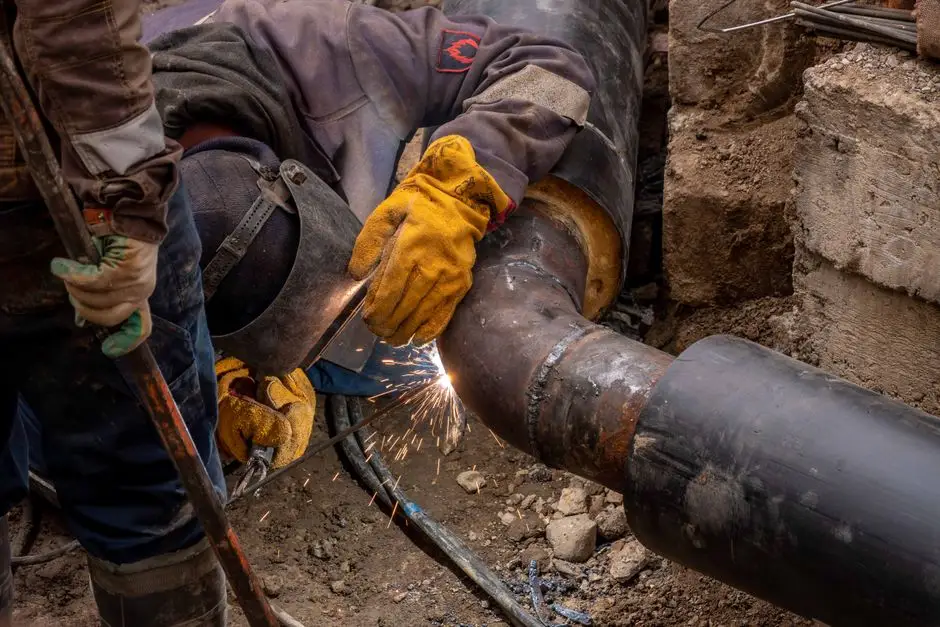
We handle the plumbing emergency, not the insurer's coverage decision. Our team can isolate the failed line, make the repair, and note what we find; your adjuster determines how the policy applies. Homeowners seeking Burst Pipe Repair in North Carolina should keep the plumber's invoice and any photos of the original leak area.
What does a typical policy pay for?
Water damage coverage for a burst household pipe in North Carolina may include damaged building materials and belongings when the release was sudden and accidental. The insurer may also consider reasonable mitigation expenses, such as emergency water removal, depending on policy language and claim circumstances.
Coverage is usually evaluated in parts: the source of the water, the damaged property, and the cost to reach or replace the failed pipe. These items can receive different decisions. A burst pipe behind a finished wall, for instance, may require opening drywall to access the line; document the opening and keep the repair and restoration records.
- Building damage: affected drywall, insulation, flooring, cabinets, or paint may be considered under dwelling coverage.
- Personal property: damaged furniture, rugs, or electronics may fall under personal property coverage, subject to limits and exclusions.
- Access and repair: the policy may address opening and restoring the area needed to reach the pipe, but wording varies.
Emergency plumbing repair and insurance paperwork are separate tasks, but they need to work together. We focus first on stopping active water and making the line safe; you can contact your carrier promptly and ask how it wants emergency invoices submitted. For a sudden break that cannot wait, our Emergency Burst Pipe Repair in North Carolina service addresses the leak before damage grows.
Is the broken pipe itself covered by homeowners insurance?
The failed pipe itself is not always covered, even when the sudden water damage around it is covered; many policies distinguish the cost to repair the plumbing from the cost to repair resulting damage. Your policy's wording and the cause of the failure decide how the insurer treats each part.
A fitting that fails unexpectedly is different from a line that has corroded slowly over years. Insurers may deny the pipe replacement or related damage if they conclude the loss came from deterioration, repeated seepage, or a maintenance problem. Ask the adjuster to identify the policy language supporting a decision, and keep the plumber's description factual rather than speculative.
North Carolina homeowners policy plumbing exclusions can include wear and tear, corrosion, repeated leakage, and certain freezing-related losses. Exact exclusions vary by carrier and policy form. Your declarations page shows limits and deductible, while the policy contract contains the details that control the claim.
What to do after a pipe bursts
After a burst pipe in North Carolina, shut off the water, protect people and belongings, document the scene, and report the loss to your insurer as soon as practical. Do not wait for an adjuster to stop active water or prevent further damage.
- Stop the flow. Close the nearest fixture valve or the home's main shutoff. If water is near outlets, wiring, or an appliance, avoid the area and cut power only from a dry, safe location.
- Call for plumbing help. Tell us where the water is coming from, whether the main is shut off, and whether the leak is near electrical equipment. We locate the failure, repair the line, and test it.
- Photograph before cleanup. Take wide shots of each affected room and close-ups of the pipe, wet materials, and damaged items. Include a ruler or familiar object for scale when useful.
- Notify the insurer. Use the claims number on your policy and record the claim number, adjuster contact, and instructions for emergency work.
- Prevent more damage. Move dry belongings out of the wet area and arrange water extraction or drying. Keep receipts and do not discard damaged materials until you have documented them and followed the insurer's instructions.
In North Carolina, cold snaps can freeze exposed pipes in crawl spaces, garages, and exterior walls, especially when temperatures drop below 32°F for several hours. If a line freezes, avoid an open flame; controlled thawing and a prompt inspection reduce the chance that pressure will expose a split pipe.
Homes in the Triangle can have different plumbing layouts and access challenges, from crawl spaces to finished basements. Our Burst Pipe Repair in Raleigh work includes addressing sudden breaks during winter cold spells, when a short freeze can leave a concealed line leaking behind a wall.
Common mistakes that can weaken a claim
Common burst-pipe claim problems in North Carolina include delaying mitigation, throwing away evidence, and describing a gradual leak as sudden without knowing its history. Clear records help the carrier distinguish the date and cause of the loss from earlier plumbing conditions.
Do not assume that filing a claim guarantees reimbursement, and do not authorize permanent reconstruction before you understand the insurer's documentation process. At the same time, do not leave water running while waiting for an inspection; reasonable steps to limit further damage are important.
- Taking only close-up photos that do not show which room or wall was affected.
- Discarding the failed pipe or damaged belongings before photographing them and checking insurer instructions.
- Failing to save plumber, extraction, temporary repair, and material receipts.
- Ignoring a recurring stain or drip and later reporting the resulting damage as a one-time event.
Keep communication factual. Note when you first saw water, what you did to shut it off, which areas were wet, and when a plumber arrived. If the pipe had shown earlier signs of trouble, tell the adjuster rather than guessing about the cause.
When to call a professional
Call a professional plumber for an active burst, a main shutoff that will not stop the flow, water behind a wall, or a leak close to electrical equipment. In North Carolina, even a small opening can release several gallons per minute, and water can travel beneath flooring before the wet spot appears.
We can locate the failed section, make the necessary plumbing repair, and test the line before leaving. If water has reached drywall or flooring, arrange a qualified water-mitigation company as well; plumbing repair stops the source, while drying addresses wet building materials.
For a leak that is hidden rather than spraying, Water Pipe Leak Detection and Repair in North Carolina can help identify the source before you open larger areas of a wall or floor. North Carolina Burst Pipe Pros can also provide plumbing service details you can share with your insurer.
Frequently Asked Questions
Does homeowners insurance cover the cost to repair a burst pipe?
Sometimes: policies often cover sudden resulting water damage, while coverage for the failed pipe itself depends on the cause and policy wording. Your deductible also applies. Check the exclusions for wear, corrosion, neglect, and freezing, and ask your adjuster to explain how the policy treats pipe access and replacement.
Is resulting water damage covered if a pipe suddenly bursts?
Often, yes, if the release was sudden and accidental and no exclusion applies. Coverage may address damaged walls, floors, cabinets, or belongings, subject to limits and deductible. Photograph the damage before cleanup, take reasonable steps to prevent further loss, and report the claim promptly.
Can an insurer deny a claim for lack of home maintenance?
Yes. An insurer can deny some or all of a claim if it determines that neglect, deterioration, or an unresolved recurring leak caused the loss, based on the policy terms. Keep maintenance records and prior repair invoices, and ask for the specific exclusion cited if the insurer denies coverage.
Should I call a plumber or my insurance company first?
Stop the water and call a plumber first if the leak is active; preventing further damage should not wait. Contact your insurer as soon as the immediate danger is controlled, ideally the same day. Save the plumber's invoice, photographs, and claim reference number.
What documentation helps with a burst pipe insurance claim?
Keep dated photos and videos, the failed pipe if safely retained, plumber and mitigation invoices, receipts, a list of damaged belongings, and notes about when you discovered the leak. Save claim emails and record the adjuster's instructions. Do not discard damaged items until you have documented them and checked the carrier's process.
Get help with Burst Pipe Repair in North Carolina
A fast repair can stop new water from spreading while you work through the insurance claim. Call North Carolina Burst Pipe Pros at +12525387381 for help with a burst pipe and the plumbing documentation you need.