Logo
Get Estimate

Burst Water Line Repair in North Carolina

We locate the break, restore flow, and protect your property.


Burst Water Line Repair in North Carolina helps homeowners and property managers stop active leaks, limit water damage, and get dependable water service back. Our team traces the break, explains the repair, and tests the line after the work. If you see a wet yard, hear water running with every fixture off, or lose pressure suddenly, contact us for North Carolina burst water line repair before the leak spreads.

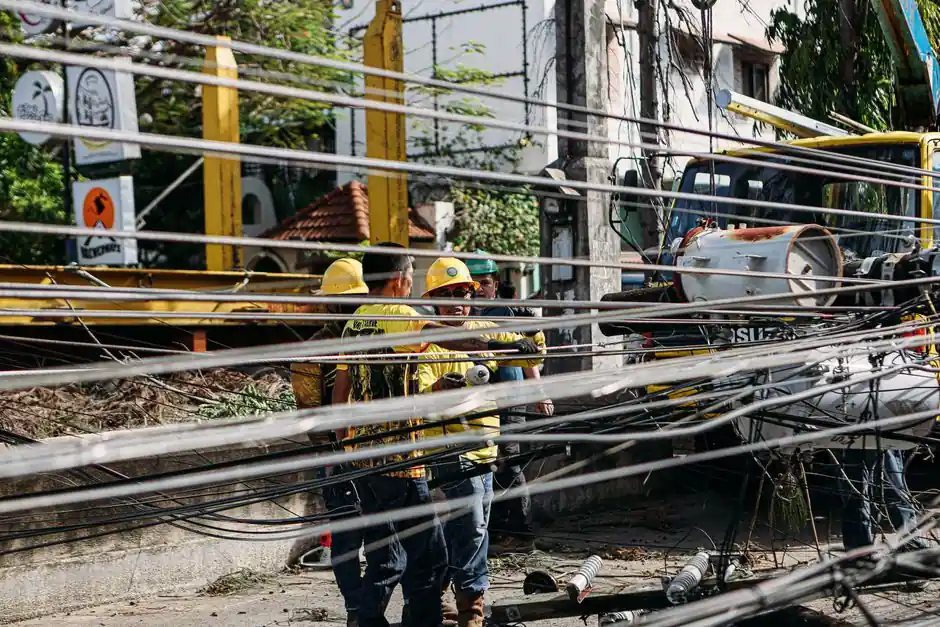
Utility workers repairing downed power lines amidst damaged infrastructure. Outdoor setting with chaos.
Licensed Licensed & Bonded
Fully Insured Insured & Bonded
24/7 Emergency Same-Day Response
Warranty Backed Workmanship Guaranteed

What Water-Line Repair Includes

Burst Water Line Repair in North Carolina covers locating the failed section, isolating the supply, repairing or replacing damaged pipe and fittings, and checking the completed work. We explain the proposed repair and price before starting. Extensive excavation, major surface restoration, and separate water-damage drying can require additional work, which we discuss according to the condition of your property.

Leak Source Diagnosis

We inspect visible piping and trace the route to identify the source of water loss. Detection tools help narrow hidden leaks, while pressure checks distinguish a failed supply line from a fixture or valve issue. You get a clear explanation of where the line failed before repair work begins.
Isolation and Pipe Repair

We shut off the affected supply, remove damaged pipe or fittings, and install a compatible replacement. The repair may address a split section, a corroded connection, or a failed fitting. We secure the line and restore insulation where it was disturbed during access.

Pressure and Flow Testing

After reconnection, we restore water gradually and inspect the repair for seepage. A pressure test checks whether the repaired section holds, and running fixtures helps confirm normal flow. We do not consider the job complete until the line has been checked under operating conditions.

Repair Walkthrough

Before leaving, we show you the repaired area when accessible and describe what material was replaced. We point out any nearby risk, such as a second weakened fitting or exposed pipe that needs insulation, and explain what symptoms should prompt a follow-up call.

Burst Water Line Repair in North Carolina


Burst Water Line Repair in North Carolina is plumbing service that locates and repairs a failed water supply pipe to stop leakage and restore safe water flow. We first isolate the affected line, then use leak detection and pressure testing to pinpoint the damage rather than opening floors or landscaping at random. Depending on pipe material and location, we replace a damaged section, renew a fitting, or repair the accessible connection. Afterward, we test pressure and inspect for seepage so you know the line is holding before normal use resumes.

A burst water pipe can follow a cold snap, corrosion, ground movement, a failed fitting, or years of wear. Mountain temperatures and exposed crawlspaces bring freeze concerns; coastal moisture and storms can complicate access, while older homes may have aging copper pipe or buried connections. Our North Carolina burst water line repair team checks the symptoms and the route before choosing a fix. If you are searching for emergency burst water line repair in North Carolina, shut off the main valve when safe and call as soon as water is controlled.

What to Expect During Repair

Burst Water Line Repair in North Carolina starts with controlling water, not guessing at the source. We explain the next step as we work, protect access areas, and test the repaired line before leaving. A straightforward exposed-pipe repair can take a few hours; buried, slab, or extensive water-damage work takes longer because access and restoration add steps.

01

Schedule

Call or book online — a real human picks up and confirms a 2-hour arrival window.

02

Diagnose

Licensed tech inspects on-site, then walks you through the cause and your options.

03

Fix

The job is completed to code and done right the first time — no shortcuts, no surprises.

04

Guarantee

Every job backed by a written workmanship warranty — and we stand behind it.

Tools and Repair Methods

Tools & Equipment

Electronic acoustic leak detector

We listen for leak noise through accessible surfaces and along pipe routes. This helps narrow hidden failures in walls, floors, or buried lines before we decide where access is needed.

Infrared thermal imaging camera

Thermal imaging can reveal temperature patterns associated with moisture or a leaking hot-water supply. We use it as a diagnostic aid alongside direct inspection, not as a substitute for confirming the pipe failure.

Moisture meter

After the line is repaired, a moisture meter checks nearby building materials for elevated moisture. That reading helps you identify areas where drying should continue to limit damage to flooring, drywall, or framing.

Pressure test pump

We use a pressure test pump to evaluate a repaired section under controlled conditions. The test helps confirm the connection holds before we return the system to regular operation.

RIDGID pipe tools

RIDGID cutting and preparation tools help us make clean, controlled cuts in compatible pipe. A square cut and properly prepared ends support a sound fitting and reduce the chance of a poorly seated connection.

PEX crimping tool

Where the system uses PEX tubing and a compatible crimp connection, this tool makes the connection to the fitting. We verify the fitting system and inspect the completed joint before pressure testing.

Methods & Standards

Isolate, locate, and confirm

We first control water flow, then trace the pipe route and confirm the likely failure with inspection or detection tools. This keeps diagnosis focused and reduces unnecessary demolition. We verify the source before presenting the repair plan, especially when water has traveled away from the actual break.

Material-compatible section replacement

We remove the failed material and install a replacement section and fittings suited to the existing plumbing system. Connections are made with the correct preparation and tool for that material. We support the repaired pipe and restore appropriate insulation where access disturbed it.

Code-conscious installation

We plan repairs with the North Carolina plumbing code and applicable International Plumbing Code provisions in mind. For drinking-water components, material selection also considers NSF/ANSI 61 and NSF/ANSI 372 requirements where applicable. We use lead-free components appropriate to the system and application.

Pressure and leak verification

We return water gradually, check the repair and nearby joints, and verify operating pressure and flow. A line that looks dry before pressure is restored is not yet proven sound. Testing under working conditions catches seepage before the repair is concealed or the work area is closed.

When to Call for Repair

01

You hear water running behind a wall at night, but every faucet and appliance is turned off.

What we do: We help you isolate the main supply, then inspect the likely pipe route and use leak detection to narrow the source. If water is near an electrical panel or outlet, stay clear of the wet area. We identify the break, repair the line, and test it before restoring normal flow.

→ The leak is stopped at its source, and you know whether nearby drywall or flooring needs drying before damage spreads.

02

After a winter cold snap, an exposed crawlspace pipe is swollen, split, or leaking as it thaws.

What we do: We shut off the affected supply, inspect the pipe and fittings, and replace cracked material. Where ice remains, we use pipe thawing equipment suitable for the pipe rather than applying direct flame. We also check adjacent sections that may have experienced the same freeze pressure.

→ The damaged section is removed, the system is tested, and vulnerable exposed piping is identified for insulation or protection.

03

A wet yard appears near the water service, and indoor fixtures have lost pressure without a visible plumbing leak.

What we do: We trace the service route, use a pipe locator where needed, and identify the wet section before digging. We expose the failed area, complete the compatible pipe repair, and pressure-test the line. If the meter or shutoff is involved, we explain the repair boundary clearly.

→ Water pressure returns after testing, and the active leak no longer feeds the saturated area around your service line.

04

A ceiling stain grows quickly below an upstairs bathroom or supply line, and water is still entering the home.

What we do: We help stop the supply, inspect accessible piping above the affected area, and trace water back to its source instead of repairing only the stain. After replacing the failed line or fitting, we test the system and identify wet materials that need prompt drying.

→ The plumbing source is repaired and checked, giving you a clear separation between pipe repair and any required building-material restoration.

How Repairs Work Across North Carolina

Burst Water Line Repair in North Carolina must account for more than the pipe itself. October brings cooler nights and the start of freeze preparation in higher elevations; winter cold can threaten exposed crawlspace piping, while coastal storms and humid conditions can complicate access and drying. Older properties may have copper or mixed-material systems, and newer construction often uses PEX. We inspect what is actually installed before selecting fittings or a replacement section. Our burst water main pipe repair in North Carolina also considers whether the failure is on a private service line or within the home's plumbing. Repairs follow applicable North Carolina plumbing code requirements, with drinking-water materials selected for the system. If you are dealing with a leaking main water line after a storm or a frozen pipe during a cold night, shut off water if safe and tell us where you see moisture, what fixtures lost pressure, and whether the meter continues moving. Those details help us plan access across the state, from inland towns to coastal communities.

Neighborhoods We Serve

  • Downtown Winston-Salem

    Older homes and renovated properties can have different pipe materials and access points. We check the actual supply route and look for earlier repairs before cutting into a wall or floor.

  • Mooresville residential areas

    Homes around the lake region include varied construction and service-line layouts. We distinguish a yard-side main leak from a house-side pressure problem before opening the ground.

  • New Bern historic districts

    Older buildings may combine updated fixtures with aging supply piping. We inspect connections and accessible pipe runs carefully, then match replacement materials to the existing system.

  • Kill Devil Hills coastal properties

    Storm exposure, moisture, and seasonal occupancy can affect access to water lines. We check shutoff locations and inspect for corrosion or damage around exposed connections.

Local Conditions We Plan For

  • Mountain cold snaps freeze exposed crawlspace and exterior water lines

    A frozen pipe can split before thawing makes the leak obvious. We inspect adjacent sections after the initial failure and restore insulation where it was disturbed, reducing the chance that a nearby weak point starts leaking next.

  • Coastal storms leave saturated yards and hard-to-read leak areas

    Rain can mask a service-line leak by soaking the same soil, while wind or debris can obstruct access. We trace the pipe route and use pressure or detection checks to separate storm water from a continuing supply leak.

  • Older homes contain mixed pipe materials and previous repair joints

    A new fitting must suit the existing pipe and the condition around it. We inspect transition points and nearby joints before choosing a localized patch or a longer replacement section, then pressure-test the completed work.

Crawlspace Split After a Freeze

Before

A split supply pipe under a home leaked into the crawlspace after overnight freezing. The family noticed low pressure at several fixtures and damp insulation, but could not see the full break. Water remained off while the line was assessed, and the nearby joints needed inspection before a repair method could be selected.

After

We replaced the cracked section and its damaged connection, then restored water gradually. The repaired line held during pressure testing, and fixture flow returned to normal. The customer could see the completed joint and the affected insulation area, with no active dripping during the final inspection.

Maintenance: Keep crawlspace vents and exposed pipe insulation in sound condition before winter. Know where the main shutoff is, and check vulnerable sections after temperatures drop below freezing or pressure changes without explanation.

Before

A soft, wet patch grew near the home's water service while indoor water pressure declined. No fixture was running, but the meter continued to register movement. Surface water made it difficult to identify the precise leak point, and continued use risked increasing soil saturation around the pipe.

After

We traced the service route, exposed the damaged section, and installed a compatible replacement. After backfilling the repair area, we checked pressure and confirmed the meter stopped moving with fixtures off. Water flow returned to the house, and the wet area was no longer fed by the broken line.

Maintenance: Check the meter periodically when all fixtures are off, especially after a repair or unexplained pressure change. Avoid planting deep-rooted shrubs over the service route and call if a wet patch returns without rainfall.

Before

A corroded copper connection began as a small leak in a utility area, then opened enough to wet the nearby wall. The visible drip did not reveal whether the pipe beyond the fitting was also weakened. Water was shut off, and the area needed inspection before a short repair could be trusted.

After

We removed the compromised connection and a short section of unsound pipe, installed compatible copper fittings, and restored the supply. The repair stayed dry through the pressure check and fixture test. The homeowner received a clear explanation of the replaced section and the nearby pipe condition.

Maintenance: Check accessible pipe joints for green staining, mineral deposits, or repeated dampness. Keep stored items away from the repaired area so a small change is visible, and address recurring pinhole leaks rather than treating each one as isolated.

Solve Common Burst-Line Problems

A burst supply line can disrupt every fixture, soak building materials, and keep water running where you cannot see it. We identify the cause and repair the affected section rather than masking the symptoms. If you notice a sudden pressure drop or an unexplained wet area, early action helps limit the repair footprint.

Problem

Water pressure drops while the meter continues moving with fixtures off

A hidden leak can keep wasting water and saturate soil, a crawlspace, or wall cavities even when the visible plumbing appears dry.

Our Fix

We isolate the supply and trace the line using inspection and locating methods suited to the property. Once we confirm the failure, we expose only the repair area practical for access, replace the damaged section, and test pressure. We also check nearby connections so a second leak does not undermine the repair.

Problem

A frozen pipe splits after water flow returns during a cold snap

The crack can begin leaking after thawing, sending water into an enclosed space and damaging insulation, flooring, or stored belongings.

Our Fix

We shut down the affected line, inspect the frozen section and adjoining fittings, and replace cracked material. If the pipe remains frozen, we use appropriate pipe thawing equipment rather than an open flame. We restore water gradually and check the line for leaks before normal use resumes.

Problem

A buried main line leaves a growing wet patch or soft spot in the yard

Water can undermine soil, raise the water bill, and reduce pressure at fixtures; continued flow can enlarge the saturated area.

Our Fix

We locate the line and narrow the leak zone before excavation. After exposing the damaged pipe, we repair the section with compatible materials and test it under pressure. We confirm that the wet area is no longer receiving water from the supply line and explain what yard restoration remains.

Problem

An aging copper pipe develops a pinhole leak that opens into a split

A small leak can stain surfaces and weaken surrounding pipe, while a sudden failure can release far more water into the home.

Our Fix

We inspect the failed point and nearby copper for corrosion or other weak spots. If the damage is localized, we cut out the unsound section and install compatible fittings; if deterioration extends farther, we explain a larger replacement option. We test the finished connection before restoring full service.

Stop the Leak, Restore Service

Stop the Leak, Restore Service

A broken supply line can waste water quickly and damage floors, framing, insulation, or landscaping. We focus first on stopping flow, then on finding the actual failure and repairing the affected section. You get a clear explanation of the work, a tested repair, and practical steps for protecting the line afterward.

  • Limit Water Damage

    We isolate the damaged line before standing water reaches more rooms or the crawlspace. A moisture meter helps us check nearby materials after the repair, so you can identify damp drywall or flooring early. If the leak is active, turning off the main valve while we respond prevents further flow through the break.

  • Find the Actual Break

    A wet patch does not always mark the pipe failure; water can travel along a slab, wall, or trench. We use an electronic acoustic leak detector and pipe locator where conditions allow, narrowing the repair area before excavation or access work begins. That means less unnecessary digging and a more focused repair.

  • Restore Reliable Pressure

    A repaired line should deliver steady flow without hidden seepage. We inspect the connection and use a pressure test pump to check the repaired section before returning it to service. If your home has water pressure loss, we also consider a second leak, a restricted valve, or a damaged fitting rather than assuming the visible break explains everything.

  • Protect the Repaired Pipe

    We match repair materials to the existing system and the location of the break. Properly fitted pipe insulation can help protect vulnerable exposed sections during winter cold, while secure supports reduce strain on connections. Our final walkthrough covers what was replaced and what warning signs to watch for over the next few days.

Code and Work Standards

Licensed & Certified

  • North Carolina plumbing contractor license — issued by North Carolina licensing authority
  • North Carolina plumbing code compliance — issued by North Carolina Building Code Council
  • International Plumbing Code — issued by International Code Council
  • NSF/ANSI 61 drinking water system components — issued by NSF International and American National Standards Institute

Verified Reviews

Google ★★★★★5.0

Our main water line broke near the house and left a wet area in the yard. The technician located the damaged section, repaired it, and tested the pressure before leaving. He explained what was replaced and checked that the meter stopped moving with everything off. We had normal water service again without the leak continuing.

Google ★★★★★5.0

A pipe burst in our crawlspace and water pressure dropped throughout the house. The team isolated the line, found the split, and repaired the damaged section. They also checked nearby fittings and showed us the pressure test. The explanation was direct, and we knew exactly what had been repaired before the water was turned back on.

Yelp ★★★★★5.0

We noticed a damp wall and a steady water sound even with the taps off. The technician traced the leak to a supply pipe, replaced the failed connection, and checked the nearby area for moisture. The repair stopped the leak, and the clear walkthrough helped us know which materials needed additional drying.

Practical Water-Line Expertise

Our technicians approach each burst as a system problem: locate the failure, match the repair to the pipe, and verify the result. We work with copper, PEX, and other common residential supply materials, and we account for access differences between slab homes, crawlspaces, and buried service lines. Repairs are planned with the North Carolina plumbing code and applicable International Plumbing Code requirements in view. We do not claim a fixed number of years or jobs; we bring local experience to the conditions you are facing and explain the repair in plain language.

  • We identify whether the failure is in a branch line, the main supply, or a fitting before selecting a repair.
  • Our team uses pressure testing after repairs to check that the line holds under normal operating conditions.
  • We match compatible pipe and fittings instead of forcing unlike materials into a connection.
  • We consider access, water shutoff location, and nearby electrical hazards before opening a wall or trench.
  • We explain code-related material choices and the repair steps in terms you can use to make a decision.
Get Started Today
Practical Water-Line Expertise

Cities We Serve Across North Carolina

Our statewide coverage brings Burst Water Line Repair in North Carolina to homes and properties in large cities, smaller communities, and coastal towns. Each call begins with the leak location, shutoff status, and pipe access so we can plan the right diagnostic and repair approach. We provide North Carolina burst water line repair across varied building types, from older homes with copper lines to newer properties with PEX supply systems.

Winston-Salem

We trace leaks through crawlspaces, utility rooms, and older supply runs, then repair the failed section and test pressure before restoring regular water use.

High Point

Our team checks whether a pressure drop comes from a house-side pipe or a buried service line, then focuses access on the confirmed leak.

Mooresville

We inspect indoor piping and yard-side service lines, accounting for varied property layouts and restoring flow only after the repaired connection passes testing.

New Bern

We diagnose leaks in older and updated plumbing systems, identify compatible replacement materials, and check the repaired line for seepage before leaving.

Thomasville

If a wet area or unexplained meter movement points to a supply leak, we trace the route, repair the failure, and verify stable pressure.

Kinston

We handle active leaks in homes and small properties by isolating the water, locating the damaged pipe, and checking nearby joints after repair.

Stallings

Our technicians distinguish fixture-line failures from main supply problems, then complete a compatible repair and test flow across affected fixtures.

Roanoke Rapids

We locate hidden leaks that cause pressure loss or wet ground, expose the affected section as needed, and confirm the service line holds.

Smithfield

For burst lines in crawlspaces, walls, or yards, we control water first, repair the confirmed failure, and inspect the finished connection under pressure.

Rolesville

We assess newer and established residential plumbing, match fittings to the installed pipe, and verify that water service is steady after repair.

Aberdeen

We investigate unexplained water use and wet areas, locate the damaged supply pipe, and explain whether the repair is localized or needs a longer section.

Clinton

Our crew checks accessible piping and buried service routes, then repairs the failed section and tests for leaks before normal use resumes.

Kill Devil Hills

We account for coastal moisture and exposed connections while tracing a burst line, selecting compatible materials, and checking the repaired system for seepage.

Unionville

When pressure falls or a yard becomes unexpectedly wet, we trace the line, repair the confirmed break, and check the meter and fixtures afterward.

Cherryville

We respond to indoor and service-line failures by isolating water, finding the damaged section, and pressure-testing the repair before completing the job.

Water-Line Repair Questions

Real answers to the questions we hear most often from local homeowners and property managers.

How do I know if my water line has burst?
A sudden pressure drop, unexplained running-water sound, wet yard, or water near a wall can indicate a burst line. Check whether the meter moves while every fixture is off, if it is safe to do so. A split supply pipe can leak out of sight, so a dry floor does not rule it out. We trace the line and test the suspected section to confirm the source before making a repair.
How much does burst water line repair cost in North Carolina?
In 2026, a straightforward accessible repair often costs about $250-$900, while buried, slab, or extensive replacement work can reach $1,500-$5,000 or more. Final pricing depends on pipe material, leak location, excavation, access, and water-damage restoration. We explain the repair and provide upfront pricing before work begins. A prompt shutoff can reduce additional water loss and limit the area needing drying.
Can a plumber repair a burst underground water line?
Yes, a plumber can repair a burst underground water line by locating the leak, exposing the damaged section, replacing or repairing it, and pressure-testing the connection. The method depends on burial depth, soil, utility routes, and pipe material. We use locating equipment to reduce unnecessary digging and protect nearby services. After the repair, we check flow and inspect the excavation area for signs that water is still escaping.
Should I shut off the main water valve after a line bursts?
Yes, shut off the main water valve immediately if you can reach it safely; doing so stops water flowing through the break. If water is near electrical equipment, avoid the area and use the main shutoff only when it is safe. Open a low faucet briefly to relieve pressure after isolation, then leave the system off until the damaged line is checked. Call us with the valve location and visible symptoms.

Related Plumbing Services

Emergency Burst Pipe Repair

When a pipe splits and water is actively entering your home, emergency burst pipe service focuses on isolating the supply and stopping damage first. We locate the failure, repair the affected section, and test the line so your immediate crisis leads to a verified fix.

View Emergency Burst Pipe Repair

24/7 Emergency Plumbing

A water line can fail overnight, during a holiday, or while you are away. Emergency plumbing addresses urgent leaks, shutoff problems, and active flooding, then coordinates the right repair. We help you control the water and identify the next practical step.

View 24/7 Emergency Plumbing

Frozen Pipe Thawing and Repair

Freezing temperatures can block a pipe before pressure splits it. We thaw accessible frozen sections with appropriate pipe thawing equipment, inspect for cracks, and repair damage before restoring service. This service is especially useful for exposed crawlspace or exterior piping after a cold snap.

View Frozen Pipe Thawing and Repair

Water Pipe Leak Detection and Repair

A slow leak can look like a burst line once pressure falls or dampness appears. We trace hidden leaks, inspect pipe routes, and repair the confirmed source. Accurate detection helps you avoid replacing sound piping or overlooking a second leak near the visible damage.

View Water Pipe Leak Detection and Repair

Slab Leak Detection and Repair

Warm flooring, damp areas, or unexplained water use can point to a leaking line beneath a concrete slab. We use detection methods to narrow the location and explain repair options. The right approach depends on pipe access, leak position, and the condition of the surrounding floor.

View Slab Leak Detection and Repair

Main Water Line Repair

A break between the meter and your building can interrupt service throughout the property and saturate the yard. We locate the service-line failure, expose the affected section where needed, make a compatible repair, and test flow before restoring normal use.

View Main Water Line Repair

Call for Burst Water Line Repair

If water is running where it should not, shut off the main valve if safe and call our team at +12525387381. We will help you identify the next step and arrange a focused, pressure-tested repair. Our technicians follow applicable plumbing code requirements.

Call Now Call for Service

Contact Our Plumbing Team

If a pipe has burst, call North Carolina Burst Pipe Pros at +12525387381 for help locating the shutoff and arranging repair. Emergency service is available 24/7, and our team serves homes and businesses across the state. Tell us where water is showing, whether the supply is still running, and what type of pipe you can see; that helps us prepare for the call.

Or call us right now at +12525387381 — we answer.

North Carolina Burst Pipe Pros


  • Phone

    +12525387381
  • Address

    North Carolina

  • Hours

    Mon–Fri: 7AM – 7PM
    Sat: 8AM – 4PM
    Sun: Emergency Only
    24/7 Emergency Available

Call +12525387381 Get Quote
Call Quote