Logo
Get Estimate

Main Water Line Repair in North Carolina

Find the leak, restore pressure, protect your home


Main Water Line Repair in North Carolina helps homeowners facing unexplained water loss, muddy patches, a sudden pressure drop, or a leaking service pipe. We trace the fault, explain the repair, and test the line before we finish. Whether your home has copper, PEX, or another approved material, our team works to limit disruption and get dependable water service back.

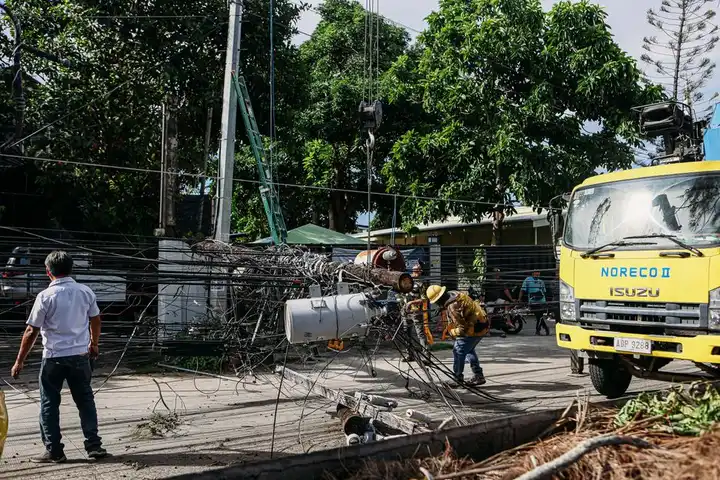
Team of workers in hard hats repairing electrical lines from a fallen pole after an accident.
Licensed Licensed & Bonded
Fully Insured Insured & Bonded
24/7 Emergency Same-Day Response
Warranty Backed Workmanship Guaranteed

What Main Line Repair Includes

Main water line repair covers fault diagnosis, access to the damaged section, compatible pipe or fitting repair, and a pressure check before backfill. We explain the work and the materials used so you know what changed. Extensive driveway replacement, major landscaping, and unrelated indoor plumbing are separate work; we identify those needs clearly rather than folding them into a vague repair description.

Leak and Route Check

We review meter activity, pressure symptoms, and visible moisture, then trace the likely service route. A pipe locator and acoustic detection can help narrow the problem area. Confirming the route before excavation reduces unnecessary disturbance and helps distinguish a customer-side leak from a supply-side issue.
Damaged Section Repair

We isolate the water, expose the faulty pipe, and remove the failed section or fitting. The replacement is selected to suit the existing line and the installation conditions. If nearby pipe is visibly compromised, we explain the risk of leaving it in place before proceeding.

Connection and Pressure Test

After installation, we restore the supply and test the line for leaks and stable pressure. We inspect joints and nearby fittings while the system is under normal operating conditions. Testing before backfill helps catch a connection problem while the repair remains accessible.

Basic Site Closeout

Once the repair passes testing, we backfill the work area and remove repair debris. We tell you where the line was opened, what material was installed, and whether settling or surface restoration needs attention. Finished hardscape restoration is handled as a distinct repair task.

Main Water Line Repair in North Carolina


Main Water Line Repair in North Carolina is a plumbing service that locates and restores a damaged pipe carrying water from the meter or supply connection to a home. We first determine whether the leak is on the customer-owned side, then isolate the affected section and choose a targeted repair or replacement. A pressure test confirms the line holds before the excavation is closed. The repair may address a burst water pipe, a pinhole leak in copper pipe, a failed fitting, or a corroded section without replacing sound pipe unnecessarily.

Changing ground conditions, winter freezes in the Piedmont and mountains, and coastal soil exposure can all affect buried service lines. A hidden water line leak can show up as a wet strip in the yard, a spinning meter when fixtures are off, or water pressure loss at several taps. Our North Carolina main water line repair work starts with locating the fault and checking the route, so you know whether a focused repair or a longer replacement makes sense. If you are searching for main water line repair near me in North Carolina, tell us what changed and when you first noticed it.

How the Repair Works

Main water line repair in North Carolina follows a clear sequence: confirm the fault, locate the pipe, make the repair, and test the result. We explain each stage while protecting access to your home and water supply.

01

Schedule

Call or book online — a real human picks up and confirms a 2-hour arrival window.

02

Diagnose

Licensed tech inspects on-site, then walks you through the cause and your options.

03

Fix

The job is completed to code and done right the first time — no shortcuts, no surprises.

04

Guarantee

Every job backed by a written workmanship warranty — and we stand behind it.

Tools and Repair Methods

Tools & Equipment

Electronic acoustic leak detector

This instrument listens for leak noise transmitted through pipe and soil. We use it to narrow the likely fault location before excavation, especially when water is escaping underground without a visible break.

Pipe locator

A pipe locator helps trace the service route and identify where the line runs through a yard. Knowing the route supports safer excavation and reduces unnecessary digging near other buried utilities.

Pressure test pump

We use a pressure test pump to check whether a repaired section holds under test conditions. A stable result helps confirm the connection before the excavation is backfilled.

RIDGID pipe cutter

A clean, square cut helps prepare pipe ends for compatible repair fittings. We use the right cutter for the material so the connection seats properly and does not rely on a rough or damaged edge.

PEX crimping tool

Where approved PEX tubing is selected, the tool makes a consistent crimp connection with compatible fittings. We inspect the joint and test the line before returning the supply to normal use.

Methods & Standards

Targeted leak localization

We combine symptom checks, meter observation, pipe route locating, and acoustic listening to identify the likely failure point. That sequence keeps excavation focused and helps confirm whether the leak belongs to the private service line or another part of the water system.

Material-matched pipe repair

We identify existing pipe material and choose a compatible replacement and connection method. The repair avoids mixing unsuitable components and accounts for access, line condition, and drinking-water use. Damaged material is removed rather than concealed behind a clamp when a permanent section repair is needed.

Pressure verification before backfill

After the connection is made, we restore water in a controlled way and inspect the repair under pressure. We also check household flow and look for renewed moisture. Backfill begins only after the line passes the practical leak check.

Code-conscious installation

We apply relevant North Carolina plumbing code provisions and applicable International Plumbing Code requirements to the repair. Drinking-water components are selected with NSF/ANSI 61 and NSF/ANSI 372 requirements in view, so the material and installation suit potable water service.

When to Repair the Main Line

01

A service line ruptures overnight and water begins pooling between the meter and the house.

What we do: We help you isolate the main shutoff, then locate the damaged section and stop the active loss. Our team removes failed pipe, installs a compatible repair, and tests the line before backfilling. If water is moving toward a structure, protecting the home takes priority over surface cleanup.

→ The leak is stopped, water service is checked, and you know which section failed. A prompt repair limits continued saturation and helps prevent a small break from becoming a larger excavation.

02

Several fixtures lose pressure at once, but indoor valves and faucet screens appear clear.

What we do: We investigate the service line rather than replacing unrelated fixtures. Meter checks, pipe locating, and pressure testing help identify a buried leak, obstruction, or failing connection. We explain whether a spot repair will restore flow or whether the pipe condition calls for a longer replacement.

→ You get a diagnosis tied to the whole-house symptoms, followed by a repair and pressure verification. That avoids spending on isolated fixtures while the supply-side fault remains.

03

A winter freeze leaves a previously buried or exposed water service section leaking after temperatures rise.

What we do: We shut down the affected supply, inspect the line for splits and fitting damage, and replace compromised material. Controlled pipe thawing is used where ice remains; we do not apply open flame. We also check insulation and exposed transitions that could freeze again.

→ The line is returned to service only after a leak check. You receive practical guidance on protecting exposed sections during the next cold spell.

How North Carolina Conditions Shape Repairs

Main Water Line Repair in North Carolina has to account for very different ground and weather conditions across the state. Mountain areas experience harder winter freezes and sloped lots; Piedmont clay can hold water around a leak and shift with wet-dry cycles; coastal properties face sandy soils, salt exposure, and storm-driven saturation. Those conditions affect how we locate a leak, support a repair, and restore the excavation. A North Carolina main water line repair also starts by identifying the customer-owned side of the service connection, because the meter boundary determines who handles a particular section. We check local permit and inspection requirements when the scope calls for them and follow applicable North Carolina plumbing code provisions. If you need emergency main water line repair in North Carolina after a freeze or storm, we focus first on isolating the leak, then make a durable repair suited to the pipe material and site. Older homes may have different service materials than recent developments, so we inspect rather than assume.

Neighborhoods We Serve

  • Older residential streets

    Mature trees and established landscaping can cross a buried service route. We trace the line before digging and keep the repair area focused where access allows.

  • Newer subdivisions

    Longer runs from a meter to a home and landscaped utility corridors can complicate access. Locating the route first helps avoid unnecessary disturbance to planting beds and walks.

  • Coastal properties

    Sandy soil and storm saturation can make a leak spread away from its source. We use meter checks and line locating rather than assuming the wettest point marks the break.

  • Sloped mountain lots

    Water can travel downhill from a buried leak, leaving damp ground far from the failed pipe. We consider grade and winter exposure when tracing the service line.

Local Conditions We Plan For

  • Winter freezes can split exposed fittings and shallow service sections

    A pipe may appear intact while frozen, then leak during thawing. We inspect the line after water returns and check nearby fittings and insulation so the repair addresses the full freeze-damaged area.

  • Clay soil can retain moisture and disguise the leak location

    A broad wet patch may not sit directly above the break, especially after prolonged rain. Meter observation, acoustic detection, and route tracing help us narrow the excavation instead of following surface water blindly.

  • Coastal storms can saturate soil around buried water lines

    Heavy rain can make an existing service-line leak harder to distinguish from runoff. We check water use and pressure alongside ground conditions before deciding where to expose the pipe.

Wet Lawn, Stable Service

Before

A homeowner saw a persistently wet strip running from the meter toward the front wall, but no indoor fixture was dripping. The meter continued to move with taps closed, and pressure had begun to weaken. Digging at the wettest spot alone risked missing the fault because water had traveled through the soil.

After

We traced the service route and exposed the leak at a damaged connection several feet from the visible pooling. After replacing the failed section, we pressure-tested the line and checked the meter again with fixtures off. The meter stopped moving, household flow stabilized, and only the confirmed repair area needed excavation.

Maintenance: Keep an eye on the meter when all water is off and note any recurring wet area after dry weather. Avoid planting trees directly over the known service route, and call if pressure changes again.

Before

After a cold night, the home had weak flow at multiple fixtures and a damp patch near an exposed transition. The owner initially suspected clogged aerators, but cleaning them did not restore pressure. A cracked fitting had opened as the line thawed.

After

We isolated the supply, replaced the damaged fitting and short section of pipe, then checked the repair under pressure. Flow returned at the kitchen and bathroom fixtures, and no renewed moisture appeared during the final inspection. The repair addressed the split rather than treating each low-flow fixture separately.

Maintenance: Insulate vulnerable exposed pipe and close gaps that allow cold air to reach the service area. After a hard freeze, check for new dampness and unusual meter movement as temperatures rise.

Before

Water began appearing along a walkway, while the home still had usable pressure. The leak was gradual, so the first sign was a soft section of soil and an unexplained increase in water use. Continued saturation threatened the walkway base.

After

We located the buried line, opened a limited repair area, and replaced the corroded section with compatible pipe and fittings. The connection passed a pressure check before backfill, and the meter reading remained steady afterward. The walkway stayed intact because the fault was found before the wet area spread.

Maintenance: Check the walkway and meter after periods without rain. If water reappears in the same area or the meter moves while fixtures are off, arrange a line check before the soil becomes saturated again.

Fix Problems Before Water Damage Spreads

A main line problem can waste water unseen for days or leave the house with weak flow at every fixture. We trace the supply path, find the failure, and complete a tested repair. If you need to repair a leaking residential water service line in North Carolina, early diagnosis can limit damage to lawns, walks, and foundations.

Problem

A wet yard with no obvious broken sprinkler or outdoor tap

Water can keep escaping underground, saturating soil and undermining walkways while the meter records ongoing use. A leak near the home can also direct moisture toward the foundation.

Our Fix

We compare meter movement with household water use, trace the service route, and use leak-detection equipment to narrow the wet area. Once the damaged pipe is exposed, we replace the failed section and pressure-test the repair before closing the excavation.

Problem

Whole-house pressure drops without a fixture blockage

Showers, appliances, and faucets may all run poorly, making a normal plumbing restriction less likely. A leaking or crushed service pipe can worsen and eventually interrupt water supply.

Our Fix

We check accessible valves and test the service line to separate a supply fault from indoor plumbing. A plumber to fix low pressure from a damaged main water line can locate the restriction or leak, repair the affected section, and verify flow at several fixtures.

Problem

A frozen or corroded service pipe begins leaking

A frozen pipe can split as it thaws, while corrosion can create repeat pinhole leaks. Continued use may increase water loss and enlarge the area needing excavation.

Our Fix

We isolate the line, inspect the exposed pipe and fittings, and replace damaged material with a compatible section. Where cold exposure contributed, we also assess insulation and routing so you have practical steps to reduce another freeze-related failure.

Problem

A water meter turns when the home is not using water

Unexplained meter movement often means water is escaping somewhere after the meter. Leaving it unchecked can increase water charges and keep soil around the line saturated.

Our Fix

We confirm that fixtures and appliances are off, then trace the customer-side line and locate the leak. After repair, we repeat the meter and pressure checks so you can see whether unintended flow has stopped.

What a Proper Repair Delivers

What a Proper Repair Delivers

A sound repair does more than stop visible water. We find the failure point, protect the pipe that remains, and test the completed work so your household can use fixtures with normal confidence.

  • Pressure Back to Normal

    A damaged service line can leave showers weak and appliances slow to fill. We isolate the affected run, repair the restriction or leak, and check pressure at the service connection and a household fixture. That gives you a practical before-and-after result instead of a guess based on a dry patch of ground.

  • Less Unnecessary Digging

    We use a pipe locator and leak-detection methods to narrow the work area before opening the ground. A smaller excavation can reduce lawn, driveway, and planting-bed disturbance. If the pipe has failed in several places, we explain why a longer replacement is more durable than repeated spot repairs.

  • Protection from Ongoing Damage

    A leaking main can saturate soil, undermine a walkway, or send water toward a foundation. We stop the leak and check the repaired section under pressure before backfill. This helps limit water damage from plumbing leak conditions and gives you a clear account of what was repaired.

  • Materials Matched to the Line

    The right connection depends on existing pipe, access, and approved installation requirements. We select compatible pipe and fittings rather than forcing a mismatched repair. For a main water service line plumbing repair, correct transitions and secure joints matter as much as the replacement pipe itself.

Standards Behind the Work

Licensed & Certified

  • North Carolina plumbing contractor license — issued by North Carolina licensing authority
  • North Carolina plumbing code compliance — issued by North Carolina building code authority
  • NSF/ANSI 61 drinking water system components — issued by NSF International and American National Standards Institute
  • NSF/ANSI 372 lead content requirements — issued by NSF International and American National Standards Institute

Verified Reviews

Customer feedback ★★★★★5.0

A homeowner in Concord reported a wet yard and a meter that kept moving. We located one failed service connection, repaired it, and confirmed the meter stopped after the test. The review highlighted the focused excavation and clear explanation of what caused the leak.

Customer feedback ★★★★★5.0

A customer in Apex described whole-house pressure loss and water near the front walk. Our team found a buried fitting leak, replaced the damaged section, and checked flow at several fixtures. The customer appreciated seeing the pressure test before the area was closed.

Customer feedback ★★★★★5.0

A Morehead City homeowner called after a wet patch appeared near the meter. The service line was traced and repaired without opening the entire yard. The customer noted that we explained the coastal soil conditions and left practical guidance for monitoring the repaired area.

Field Knowledge That Matters

Main water lines are not all built alike, and the visible symptom rarely identifies the exact fault. Our local experience covers buried service runs, slab-adjacent leaks, frozen sections, corroded pipe, and failures at fittings. We approach each job with the North Carolina plumbing code and applicable International Plumbing Code requirements in view, while checking that drinking-water components meet relevant NSF/ANSI 61 and NSF/ANSI 372 requirements. We do not guess at the repair: we locate the fault, match materials, and verify the result with a pressure check.

  • We identify whether the fault is on the home service line or an interior branch before recommending excavation or replacement.
  • Our team works with copper fittings, brass fittings, PEX fittings, and approved transitions suited to the existing installation.
  • We inspect freeze damage and pipe insulation needs after cold-weather failures, not just the split that is visible.
  • We check repair connections against applicable North Carolina plumbing code and drinking-water component requirements.
  • Pressure testing and a final fixture check help confirm that the repaired line is holding and household flow has returned.
Get Started Today
Field Knowledge That Matters

Cities We Serve Across North Carolina

Our Main Water Line Repair coverage reaches communities across North Carolina, from growing inland towns to coastal neighborhoods and foothill properties. We plan each visit around the service-line route, access, pipe material, and local site conditions. For main water service line plumbing repair, tell us where the meter sits and what symptoms you have noticed; that helps us prepare for a focused diagnosis and the right repair equipment.

Concord

We trace service lines through established yards and newer subdivisions, then keep excavation focused around the confirmed leak. Pressure testing verifies the repair before the area is backfilled.

Apex

For homes with landscaped utility corridors, we locate the pipe route before digging. We check meter movement and household pressure to distinguish a buried leak from an indoor plumbing issue.

Fuquay-Varina

Our repair approach accounts for varied property layouts and service-line lengths. We identify the failed section, match replacement materials, and test the connection before restoring the work area.

Statesville

We inspect for freeze-related cracks and aging connections, especially when pressure drops after cold weather. The repair is isolated, tested, and explained before the excavation is closed.

Carrboro

Mature landscaping can hide a service-line leak or complicate access. We trace the pipe route and use targeted excavation to limit disturbance while reaching the confirmed fault.

Pinehurst

On larger properties, longer runs can make the leak location difficult to judge from surface moisture. Meter checks and pipe locating help narrow the repair area before excavation.

Davidson

We assess the line route, nearby hardscape, and visible pressure symptoms before opening the ground. Compatible fittings and a final pressure test confirm a complete repair.

Lewisville

Sloped lots can carry water downhill from the actual leak. We account for grade, trace the service line, and test the repaired section rather than relying on the wettest spot.

Spring Lake

When a sudden leak disrupts household supply, we first isolate water loss and find the damaged pipe. We then repair the section and verify pressure at household fixtures.

Morehead City

Coastal soil and storm saturation can disguise the source of a buried leak. We combine meter checks with line locating and confirm the repair under pressure before backfill.

Rockingham

We investigate unexplained meter movement, wet ground, and whole-house pressure loss. Once the fault is exposed, we replace damaged material and check for renewed leakage.

Butner

Our team checks the service connection and likely pipe route before excavation. A focused repair and pressure test help restore water without opening more ground than necessary.

King

Cold-weather exposure and sloped ground can affect leak symptoms. We trace the service line, inspect suspected freeze damage, and test the replacement connection before closing the site.

Marvin

For homes with established lawns and private service runs, we locate the pipe before digging. We repair the confirmed fault and explain any surface restoration needed afterward.

Stokesdale

Longer property runs can spread leak moisture away from the break. We use meter observation and pipe locating to narrow the repair area, then verify restored flow and a dry connection.

Main Water Line Repair Questions

Real answers to the questions we hear most often from local homeowners and property managers.

How do I know if my main water line needs repair?
A moving meter with every fixture off, a sudden whole-house pressure drop, or a persistently wet strip between the meter and home points to a possible service-line leak. Check that toilets and appliances are not using water, then watch the meter for several minutes. A plumber can locate the fault and distinguish a buried leak from an indoor problem. If water is entering the home or the ground is rapidly saturating, shut off the main valve and call promptly.
How much does main water line repair cost in North Carolina?
In 2026, a localized accessible repair often costs about $450 to $1,800, while longer replacements or difficult excavation can range from $2,000 to $7,500 or more. The final price depends on pipe depth, material, distance, surface restoration, and whether the leak is near a foundation or paved area. We inspect the fault and give upfront pricing before work starts. How much does main water line repair cost in North Carolina? The site conditions decide more than the symptom alone.
Who do I call for a leaking water service line?
Call a licensed plumbing contractor if the leak is on the private line between your meter and house; contact the water provider if the leak appears on its side of the meter. If you are unsure, we can help identify the likely boundary from the meter and symptoms. Our main water pipe plumber North Carolina service checks the line, locates the leak, and repairs the customer-side pipe. Shut off the home supply if water is actively pooling near the foundation.
When is main water line repair an emergency?
Treat it as an emergency when water is flooding indoors, the line has burst, pressure suddenly disappears, or escaping water threatens a foundation or electrical equipment. Shut off the main valve if it is safe to reach, then call for help. A small damp area with stable pressure still needs prompt inspection, but it may not require the same immediate response. We prioritize active water loss and work to isolate the damaged section before completing a durable repair.

Other Water Line Services

Emergency Burst Pipe Repair

A burst service pipe can release water faster than a household fixture leak. We isolate the supply, locate the failed section, and repair or replace the damaged pipe. This service is useful when a main line failure causes active flooding or rapidly expanding wet ground.

View Emergency Burst Pipe Repair

24/7 Emergency Plumbing

A main line failure after hours can leave the home without usable water or threaten the structure. Emergency plumbing focuses first on stopping active loss and securing the supply. We then identify whether a permanent repair can proceed immediately or needs a planned return.

View 24/7 Emergency Plumbing

Burst Water Line Repair

Burst water line repair addresses a split or rupture in the supply pipe, including a buried service line. We find the damaged section, remove compromised material, and test the repaired connection. Fast isolation helps limit water waste and damage to nearby soil or surfaces.

View Burst Water Line Repair

Frozen Pipe Thawing and Repair

A frozen main or exposed service section can split as ice expands. We use controlled thawing methods, inspect for cracks and failed fittings, and repair damage before returning the line to service. Insulation and vulnerable routing are reviewed to reduce repeat freeze problems.

View Frozen Pipe Thawing and Repair

Water Pipe Leak Detection and Repair

A hidden leak may show up as a wet lawn, unexplained meter movement, or pressure loss rather than a visible drip. We use locating and leak-detection equipment to narrow the fault, then repair the confirmed section. This avoids treating symptoms without finding the source.

View Water Pipe Leak Detection and Repair

Slab Leak Detection and Repair

Water under a slab can be mistaken for a main line leak, especially when pressure drops or flooring becomes damp. We determine whether the service line or an under-slab pipe is involved, then recommend the correct repair path. Accurate diagnosis prevents unnecessary excavation.

View Slab Leak Detection and Repair

Restore Your Main Water Line

A leaking service pipe can waste water and damage soil or property. Our licensed plumbing team will locate the fault, explain the repair, and test the line. Call now to arrange Main Water Line Repair in North Carolina.

Call Today Schedule Repair

Contact Our Plumbing Team

If a pipe has burst, call North Carolina Burst Pipe Pros at +12525387381 for help locating the shutoff and arranging repair. Emergency service is available 24/7, and our team serves homes and businesses across the state. Tell us where water is showing, whether the supply is still running, and what type of pipe you can see; that helps us prepare for the call.

Or call us right now at +12525387381 — we answer.

North Carolina Burst Pipe Pros


  • Phone

    +12525387381
  • Address

    North Carolina

  • Hours

    Mon–Fri: 7AM – 7PM
    Sat: 8AM – 4PM
    Sun: Emergency Only
    24/7 Emergency Available

Call +12525387381 Get Quote
Call Quote