Logo
Get Estimate

Water Supply Line Repair in North Carolina

Find the leak, protect your home, restore steady water


Water Supply Line Repair in North Carolina helps homeowners stop hidden leaks, restore pressure, and limit water damage before a small defect spreads. We repair leaking household supply lines, from accessible copper and PEX connections to hard-to-find lines behind walls or beneath floors. If you see a wet spot, hear water running with fixtures off, or suddenly lose pressure, our team tracks the fault and tests the repair. We also provide water feed pipe repair in North Carolina.

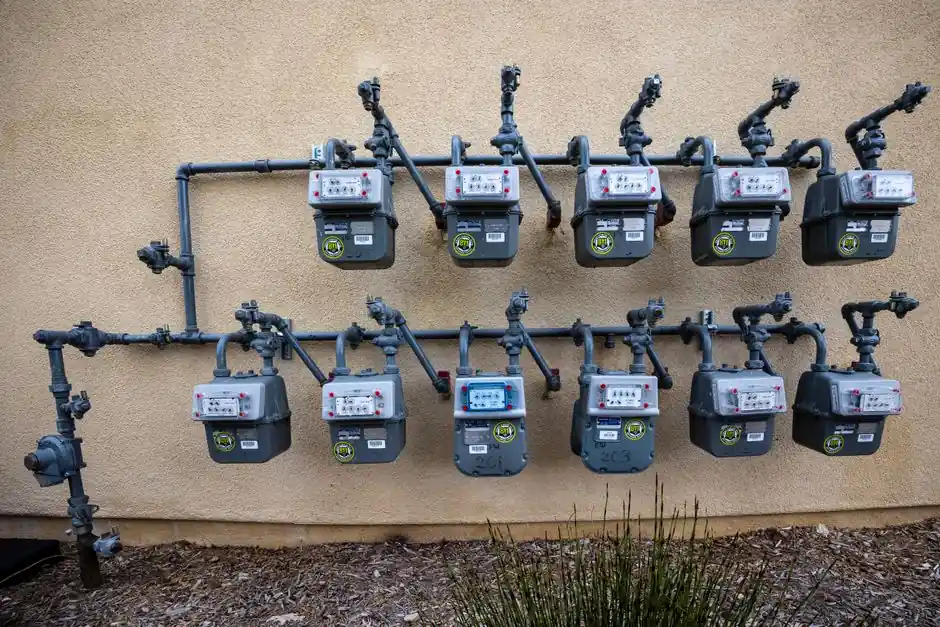
A neat installation of gas meters mounted on an exterior wall in an urban setting.
Licensed Licensed & Bonded
Fully Insured Insured & Bonded
24/7 Emergency Same-Day Response
Warranty Backed Workmanship Guaranteed

What Supply Line Repair Includes

Water Supply Line Repair covers locating the leak, isolating the affected pipe, repairing or replacing the failed section, and testing the restored supply. We also check nearby connections when their condition relates to the failure. Drywall, flooring, or cabinet restoration after water damage is separate from plumbing repair, and we explain that distinction clearly.

Leak Source Inspection

We examine visible pipe, fittings, shutoff valves, and the moisture path to identify the actual failure. If the line is concealed, suitable detection tools help narrow the access point. Finding the source first helps prevent a patch at the wrong location.
Damaged Pipe Repair

We remove unsound pipe or a failed fitting and install a compatible replacement section. The material and joining method depend on the existing line and access. We secure the repair so ordinary vibration or pipe movement does not strain the new joint.

Pressure and Flow Check

After restoring water, we inspect the connection for seepage and operate nearby fixtures. We confirm normal flow and check that pressure remains stable. If the repair requires a controlled pressure test, we use suitable equipment and review the result with you.

Cause and Care Review

We explain why the line failed and identify practical steps that can reduce repeat damage, such as protecting exposed pipe from cold air. If water reached finished materials, we point out the affected area so drying and restoration can proceed promptly.

Water Supply Line Repair in North Carolina


Water Supply Line Repair in North Carolina is a plumbing service that locates and repairs damaged pressurized pipes carrying clean water to fixtures and appliances. We inspect the affected run, isolate the supply, remove failed pipe or fittings, and install a compatible repair. The fault may be a pinhole leak in copper pipe, a failed PEX fitting, corrosion, impact damage, or a burst water pipe. After the repair, we restore flow and use pressure checks to confirm the line holds before we leave.

Homes across the state face different triggers: winter freezes in the mountains and foothills, damp crawl spaces near the coast, and aging connections in older homes inland. A hidden water line leak can stain ceilings or damage cabinets before it becomes visible. If you are searching for water feed pipe repair for a leaking home plumbing line, we trace the source rather than patching the first damp spot. We also check nearby joints and shutoffs for related wear.

What to Expect During Repair

Water line repairs follow a clear sequence so you know what is happening in your home. We protect the work area, explain where the water will be shut off, and keep the repair focused on the affected run. Straightforward accessible repairs often take two to four hours; hidden or extensive damage takes longer.

01

Schedule

Call or book online — a real human picks up and confirms a 2-hour arrival window.

02

Diagnose

Licensed tech inspects on-site, then walks you through the cause and your options.

03

Fix

The job is completed to code and done right the first time — no shortcuts, no surprises.

04

Guarantee

Every job backed by a written workmanship warranty — and we stand behind it.

Tools and Repair Methods

Tools & Equipment

Electronic acoustic leak detector

We listen for leak noise through pipework and building surfaces to narrow the source of a concealed pressurized leak before opening a wall or floor.

Infrared thermal imaging camera

We compare surface temperature patterns to identify areas that may be affected by concealed moisture or a leaking line, then confirm the suspected location with inspection.

Moisture meter

We measure moisture in accessible building materials around a suspected leak, helping distinguish a damp surface from a wider area that needs prompt drying.

Pipe inspection camera

We use a camera where the access route and pipe layout permit visual inspection, helping assess concealed conditions and identify damage without unnecessary demolition.

RIDGID pipe cutter

We use a suitable pipe cutter to make clean, square cuts in compatible pipe, creating sound ends for a correctly fitted repair connection.

PEX crimping tool

For compatible PEX repairs, the crimping tool secures the fitting connection consistently. We select fittings and joining methods that suit the installed system.

Methods & Standards

Targeted leak isolation

We divide the piping into practical sections and isolate the supply to identify where pressure or water loss occurs. This method helps separate a fixture problem from a branch or main-line fault. Once located, we focus access and repair on the failed section.

Material-matched pipe repair

We identify the pipe material and condition before selecting a fitting or replacement section. Copper, PEX, and CPVC do not share every joining method, so the connection must suit the system. We support the pipe, follow applicable code requirements, and check the finished joint.

Pressure and flow verification

After the repair, we restore the supply in a controlled manner, inspect the connection, and operate nearby fixtures. Where the job calls for it, a pressure test pump provides a controlled test. We do not treat a dry first glance as proof; the line must hold under service conditions.

Potable-water component selection

We select fittings and replacement components intended for drinking-water systems and follow applicable lead-content requirements. NSF/ANSI 61 and NSF/ANSI 372 provide relevant benchmarks for water-contact components and lead content. The chosen component must also match the pipe and connection method.

When to Call for Line Repair

01

You hear water moving at night even though every faucet, appliance, and fixture is off.

What we do: We check the water meter behavior if accessible, inspect exposed pipe, and use acoustic detection to narrow the leak location. After isolating the affected line, we repair the failed pipe or fitting and run fixtures to confirm the sound and water loss have stopped.

→ You get the source identified instead of guessing at appliances or opening several walls. The repaired line is tested before normal water use resumes.

02

A supply pipe bursts during a cold snap and water is spreading across a floor.

What we do: Close the main shutoff if it is safe to reach, then call us. We isolate the break, remove damaged material, and install a compatible replacement. We inspect adjacent pipe for freeze damage and check the repaired area under pressure before restoring service.

→ Water flow is controlled, the damaged section is replaced, and you know whether nearby pipe also needs attention before the next freeze.

03

A cabinet, wall, or crawl-space floor develops a recurring damp patch.

What we do: We map the moisture, inspect nearby supply connections, and use a moisture meter or thermal imaging camera to guide the search. Once the line is exposed, we repair the leak and verify nearby joints so a second weak connection does not go unnoticed.

→ You get a targeted plumbing repair and a clear view of the affected area, making it easier to begin drying and protect stored items.

04

An older copper line develops another pinhole after a previous spot repair.

What we do: We assess the pipe condition beyond the latest leak, check for corrosion patterns, and compare a localized repair with replacement of a longer run. We explain which option fits the observed condition and install compatible fittings using a code-conscious method.

→ You can choose a repair based on the pipe's condition rather than repeat patches. The new connection is tested for leaks and normal household pressure.

How Repairs Work Across North Carolina

Water Supply Line Repair in North Carolina has to account for climate, home age, and where pipes run. In the mountains and foothills, October brings cooler nights and homeowners begin preparing exposed lines for winter freezes; a hard freeze can split water trapped in an uninsulated pipe. Coastal homes face humid conditions, salt-laden air, and crawl-space moisture that can expose weak fittings or corrosion. Older homes inland may have a mix of copper, CPVC, and later PEX additions, so we identify each material before selecting a connection. Our water inlet line repair plumber checks the accessible shutoff, pipe supports, and nearby joints as well as the visible leak. If you are considering replace or repair a leaking water inlet pipe in North Carolina, we compare the failed area with the condition of the surrounding run. We work to the applicable North Carolina plumbing code and relevant International Plumbing Code requirements, then pressure-test the repair and confirm fixture flow. From mountain communities to coastal towns, the repair plan follows the home and its conditions, not a one-size-fits-all patch.

Neighborhoods We Serve

  • Older homes with crawl spaces

    Crawl-space supply lines are exposed to cold drafts and moisture. We inspect pipe supports and nearby joints, then check whether a freeze-prone run needs added insulation after repair.

  • Newer subdivision homes

    PEX branches and manifold connections can run through walls and utility spaces. We identify the system layout and isolate the affected branch to limit water interruption.

  • Slab-foundation properties

    A leak beneath a slab may show as warm flooring, damp edges, or unexplained water use. We locate the supply fault before discussing an access route.

  • Coastal and low-lying homes

    Humid crawl spaces can keep framing and pipe supports damp. We inspect the line and surrounding connections, then explain what needs plumbing repair versus drying.

Local Conditions We Plan For

  • Cold mountain nights increase the risk of frozen exposed supply lines

    A pipe can freeze in an unheated crawl space or exterior wall and split as ice expands. We inspect exposed runs, thaw frozen sections with controlled equipment, and test for cracks after water returns.

  • Coastal humidity keeps crawl spaces damp for extended periods

    Persistent moisture can affect supports and conceal slow leakage beneath a home. We use moisture readings to separate active pipe leaks from surrounding dampness and focus the repair on the pressurized line.

  • Older homes may combine several pipe materials and repair eras

    A copper branch may connect to newer PEX or CPVC, with different fitting requirements at each transition. We identify the materials first and use compatible, potable-water-rated components for the repair.

Hidden Wall Leak Stopped

Before

A homeowner noticed a growing stain below a bathroom wall and heard a faint hiss when the room was quiet. The nearest fixture worked, so the leak was not obvious. Moisture readings showed the wet area had spread beyond the visible mark, and the supply line needed to be traced before more drywall was removed.

After

We located a leaking copper connection behind a focused access opening, replaced the failed section, and restored the branch supply. The pressure test held for 15 minutes with no visible seepage, and the bathroom faucet returned to steady flow. The homeowner had a defined area to dry and repair.

Maintenance: Check the repaired area after 24 hours and again after a week for new staining or dampness. Keep the access area open until the materials are dry, and call if you hear water movement with fixtures off.

Before

After overnight temperatures fell below freezing, a crawl-space line split and water began dripping onto insulation. The homeowner shut off the main valve, but the line remained too cold to inspect safely. The leak had stopped temporarily, yet the pipe still needed replacement before household water could be restored.

After

We thawed the affected area using controlled pipe thawing equipment, removed the split section, and installed compatible replacement pipe. A 20-minute pressure check showed no leakage, and we restored water to the home. The damaged insulation was identified for separate drying and replacement.

Maintenance: Before winter, inspect exposed crawl-space piping and gaps that allow cold air to reach it. Keep the home heated during cold weather and know where the main shutoff is located.

Before

A kitchen cabinet base stayed damp after a small supply connection had been tightened twice. The pressure dropped whenever the dishwasher filled, and the old fitting showed corrosion. Repeatedly tightening the same connection had not corrected the underlying damage, leaving the cabinet vulnerable to further water exposure.

After

We replaced the damaged fitting and a short section of compromised pipe, then ran the kitchen faucet and dishwasher fill cycle. The connection remained dry during the test, and fixture flow returned to normal. The repair addressed the failed components instead of relying on another temporary tightening.

Maintenance: Keep the cabinet base clear enough to inspect the shutoffs and connections every few months. If a fitting becomes damp or pressure changes during appliance use, turn off the local valve and arrange an inspection.

Solve Supply Line Leaks Before They Spread

A leaking supply line can waste water continuously and damage materials out of sight. We find the source, stop the flow, and repair the pipe before moisture travels farther through a wall, floor, or crawl space. If you need water feed pipe repair in North Carolina, we address the failed connection and test the full repair.

Problem

A ceiling stain grows while fixtures remain turned off

A pressurized line may be leaking inside the ceiling cavity, soaking insulation and framing while the mark expands. Delayed repair can mean a larger opening and more drying work.

Our Fix

We inspect above and around the stain, trace the moisture path, and isolate the supply line feeding the area. After finding the leak, we replace the damaged section or fitting and verify the line under pressure. We keep the access area focused and explain any drying needs separately.

Problem

Water pressure drops across several fixtures without warning

A damaged branch or main line can restrict flow, waste water, and leave sinks, showers, or appliances unreliable. The leak may remain hidden in a crawl space or wall.

Our Fix

We compare fixture flow, inspect accessible piping, and test sections to locate the pressure loss. A pipe locator or acoustic detection equipment helps narrow concealed runs where appropriate. We repair the fault, reopen the supply, and confirm that affected fixtures work normally.

Problem

A crawl-space pipe leaks after a hard winter freeze

A frozen pipe can split and release water after temperatures rise, wetting insulation and floor framing. The crack may be distant from the first visible drip.

Our Fix

We inspect the exposed run and nearby joints, shut off the water, and replace the split material. If the line is still frozen, we use controlled pipe thawing equipment rather than an open flame. We then test the repaired line and identify exposed areas that need insulation.

Problem

A slab or floor stays damp with no visible fixture leak

Water beneath flooring can damage finishes and increase utility use while the source remains difficult to pinpoint. Continued leakage can make the affected area larger.

Our Fix

We check supply lines and use leak detection methods to distinguish a pipe leak from surface moisture. Once located, we explain the repair route and replace the damaged section using a suitable access approach. A final pressure check confirms the line is no longer leaking.

Practical Results for Your Home

Practical Results for Your Home

A sound supply line protects finishes, keeps fixtures usable, and avoids wasting water. We focus on the cause of the leak, not just the water you can see, and explain the repair in plain language before starting. Your technician confirms the line is dry and stable after restoring service.

  • Stop Water Damage Early

    A slow leak can soak drywall, flooring, insulation, and cabinet bases long before a puddle appears. We use moisture readings and targeted inspection to locate the wet area, then repair the failed section. Fixing the source promptly reduces ongoing water loss and gives you a clear point to monitor after the repair.

  • Restore Stable Pressure

    A damaged line can cause weak flow at several fixtures or a pressure drop that comes and goes. We isolate sections and test the supply so you know whether the issue is a pipe, fitting, or valve. A properly sized repair restores normal delivery without leaving a restriction in the line.

  • Choose the Right Material

    Copper, PEX tubing, and CPVC pipe each require compatible fittings and installation methods. We match the repair to the existing system and use lead-free components where potable water connections require them. That avoids improvised connections that can loosen, corrode, or create another leak.

  • Verify Before We Leave

    We reopen the supply gradually, inspect the repaired joint, and check for pressure loss or seepage. A pressure test provides a measurable confirmation rather than a quick glance. You get a working line and practical guidance on what to watch during the next day.

Code and Component Standards

Licensed & Certified

  • North Carolina plumbing contractor license — issued by North Carolina State Board of Examiners of Plumbing, Heating and Fire Sprinkler Contractors
  • North Carolina plumbing code compliance — issued by North Carolina Building Code Council
  • NSF/ANSI 61 drinking water system components — issued by NSF
  • NSF/ANSI 372 lead content requirements — issued by NSF

Verified Reviews

Google ★★★★★4.9

A slow leak behind the laundry wall had left the floor damp. The plumber found the failed connection, replaced it, and checked the line under pressure before restoring the washer. We were shown the damaged fitting and the repair area was kept small. The water stopped, and the explanation was direct.

Yelp ★★★★★5.0

Our crawl-space pipe split during a cold spell. The technician isolated the water, replaced the damaged section, and checked the nearby run for cracks. We got water service back after the pressure check, and the advice about exposed pipe was useful without turning into a sales pitch.

Google ★★★★★4.8

The kitchen supply line leaked into the cabinet and the shutoff was stiff. The team repaired the pipe, checked the valve, and ran the faucet and dishwasher to make sure the connection held. The cabinet was left dry at the source, and we knew which area still needed drying.

Field Knowledge and Code Focus

Our plumbing work addresses the failure mechanism as well as the damaged pipe. We select repair materials for the water system, access conditions, and pressure demands, then install them using practices consistent with the North Carolina plumbing code and applicable International Plumbing Code requirements. Potable-water components must meet relevant NSF/ANSI 61 drinking water system components and NSF/ANSI 372 lead content requirements. We explain what we find, protect the work area, and test the finished line. Our team handles visible leaks, concealed failures, and emergency repairs across varied home construction.

  • We distinguish a fitting failure from a cracked pipe so the repair addresses the actual source, not just the visible drip.
  • Our team works with copper pipe, PEX tubing, CPVC pipe, brass fittings, and compatible replacement connections.
  • We check shutoff valves and nearby joints when their condition could affect the repaired household supply line.
  • We account for freeze exposure, crawl-space moisture, and pipe movement when selecting repair details and supports.
  • We test repaired connections under operating conditions and confirm that fixtures refill and flow normally.
Get Started Today
Field Knowledge and Code Focus

Cities We Serve Across the State

Our statewide service area includes mountain, inland, and coastal communities, with repair plans adapted to local home construction and seasonal conditions. We provide North Carolina water supply line repair for accessible leaks, concealed pipe failures, and urgent breaks. Tell us where the leak is showing and whether your home has a crawl space, slab, or finished wall access so we can prepare for the job.

Asheville

In Asheville, colder mountain nights make exposed crawl-space lines a winter concern. We trace leaks, repair compatible pipe, and check adjacent sections for freeze damage.

Huntersville

Huntersville homes include newer subdivisions and established properties with varied pipe layouts. We isolate the affected branch and keep access focused around the leak.

Monroe

For Monroe homeowners, we inspect visible supply runs and concealed connections when pressure drops or a cabinet turns damp. Every repair is tested before water service resumes.

Leland

Leland's humid conditions can make crawl-space moisture harder to assess. We distinguish active supply leaks from general dampness, repair the source, and explain drying needs.

Knightdale

In Knightdale, a hidden branch-line leak can affect finished walls or floors. We use targeted detection and replace the failed section without unnecessary pipe work.

Mount Holly

Mount Holly service includes inspection of older and newer home plumbing. We identify pipe material first, then select compatible fittings and pressure-test the connection.

Belmont

Belmont homeowners call us for slow leaks, pressure loss, and burst lines. We locate the fault, isolate water to the affected run, and verify steady flow afterward.

Weddington

In Weddington, we handle supply-line leaks in larger homes with multiple branches and concealed runs. Systematic isolation helps identify the right repair point.

Spout Springs

For Spout Springs properties, we inspect accessible crawl-space and utility-room piping when a line leaks or pressure changes. We repair the defect and check nearby joints.

Washington

Washington's coastal setting can mean persistent humidity around under-home pipework. We locate the leak, repair the affected supply line, and check the area for continuing moisture.

Oxford

Oxford service covers supply line leaks in established homes and newer properties. We identify the material and condition of the pipe before choosing a durable repair.

Woodfin

Woodfin's cooler mountain conditions raise the need to check exposed lines before freezing weather. We repair split pipe and inspect nearby sections for related damage.

Half Moon

In Half Moon, we trace leaks that appear in cabinets, walls, or crawl spaces. Accurate isolation helps keep the repair area limited and water service disruption brief.

Silver Lake

Silver Lake homeowners can call for dripping fittings, hidden leaks, or sudden pressure loss. We inspect the supply run, complete the repair, and confirm the connection holds.

Hamlet

For Hamlet homes, we repair failed pipe sections and connections in accessible or concealed locations. We check surrounding pipe condition to reduce the risk of repeat leaks.

Water Supply Line Repair Questions

Real answers to the questions we hear most often from local homeowners and property managers.

What causes a household water supply line to leak?
Common causes include corrosion, freezing, vibration, excess pressure, and worn or poorly seated fittings. Copper can develop a pinhole leak, while a PEX connection may fail at a fitting or support point. In crawl spaces, moisture and temperature swings can accelerate deterioration. We inspect the failed section and nearby connections to determine whether one repair is enough or whether a longer run needs attention.
How much does water supply line repair cost in North Carolina?
Typical 2026 repair pricing ranges from about $180 to $1,200, with many accessible repairs taking two to four hours. The final cost depends on pipe material, leak location, access through finished surfaces, and whether a longer section needs replacement. A concealed slab leak or damaged main line requires different equipment and labor. We explain the repair and price before starting so you can choose the appropriate fix.
Can a plumber repair a damaged water feed pipe?
Yes, a plumber can repair a damaged water feed pipe when the failed section and surrounding material are suitable for repair. We identify the pipe type, isolate the water, remove the defect, and install a compatible fitting or replacement section. If corrosion or cracking extends beyond the leak, replacing a longer run is safer than patching one spot. We test the line after restoring pressure.
How do I shut off water to a leaking supply line?
Turn the fixture's local shutoff clockwise; if that does not stop the leak, close the home's main water valve and call a plumber. The main valve is often near the service entry, but its location varies by house. Do not force a seized or corroded valve. Move belongings away from water, avoid electrical hazards, and note where the leak appears so we can find the line faster.

More Ways We Protect Your Plumbing

Emergency Burst Pipe Repair

A burst line can release water quickly and damage flooring, ceilings, or stored belongings. We isolate the supply, locate the break, and repair the affected pipe, then verify flow and pressure. This service addresses urgent failures that need immediate attention beyond a slow supply-line drip.

View Emergency Burst Pipe Repair

24/7 Emergency Plumbing

An active leak does not wait for a convenient hour. Our emergency plumbing response focuses on stopping water loss, protecting the home, and identifying the failed supply line. Once the source is contained, we complete the appropriate repair and test the affected fixtures.

View 24/7 Emergency Plumbing

Burst Water Line Repair

A split or ruptured water line needs secure isolation and a correctly sized replacement section. We determine whether the failure is in a branch line or the main supply, remove damaged material, and test the repair under pressure before restoring normal use.

View Burst Water Line Repair

Frozen Pipe Thawing and Repair

Freezing water expands inside a pipe and can split the wall or damage a joint. We use controlled thawing methods, inspect the full affected area, and repair any crack found. Insulation and exposure advice help reduce the risk when winter temperatures fall below freezing.

View Frozen Pipe Thawing and Repair

Water Pipe Leak Detection and Repair

A hidden leak can travel behind a wall or beneath flooring before it leaves a visible mark. We use targeted detection to trace the source, repair the failed pipe, and confirm the line holds. This service helps avoid opening more of the home than the repair requires.

View Water Pipe Leak Detection and Repair

Slab Leak Detection and Repair

Warm floor areas, unexplained water use, or a persistent sound can point to a leak beneath a concrete slab. We assess the supply piping and locate the affected section before recommending a repair path. The goal is to stop water loss while limiting disruption to flooring and concrete.

View Slab Leak Detection and Repair

Stop the Leak and Restore Your Water

Call +12525387381 for Water Supply Line Repair in North Carolina. Our state-licensed plumbing contractor team will locate the leak, explain the repair, and test the line before leaving.

Call Now Call for Repair

Contact Our Plumbing Team

If a pipe has burst, call North Carolina Burst Pipe Pros at +12525387381 for help locating the shutoff and arranging repair. Emergency service is available 24/7, and our team serves homes and businesses across the state. Tell us where water is showing, whether the supply is still running, and what type of pipe you can see; that helps us prepare for the call.

Or call us right now at +12525387381 — we answer.

North Carolina Burst Pipe Pros


  • Phone

    +12525387381
  • Address

    North Carolina

  • Hours

    Mon–Fri: 7AM – 7PM
    Sat: 8AM – 4PM
    Sun: Emergency Only
    24/7 Emergency Available

Call +12525387381 Get Quote
Call Quote