Logo
Get Estimate

Copper Pipe Repair in North Carolina for Your Home

Find the leak, repair the line, protect your home


Copper Pipe Repair in North Carolina helps homeowners stop active leaks, restore water pressure, and limit damage to walls, floors, and cabinets. We locate the failure, explain the repair, and test the line before leaving. If you have a pinhole leak, a burst section, or staining that points to a hidden water line leak, our statewide team works to get your plumbing back in service with a repair suited to the pipe and access.

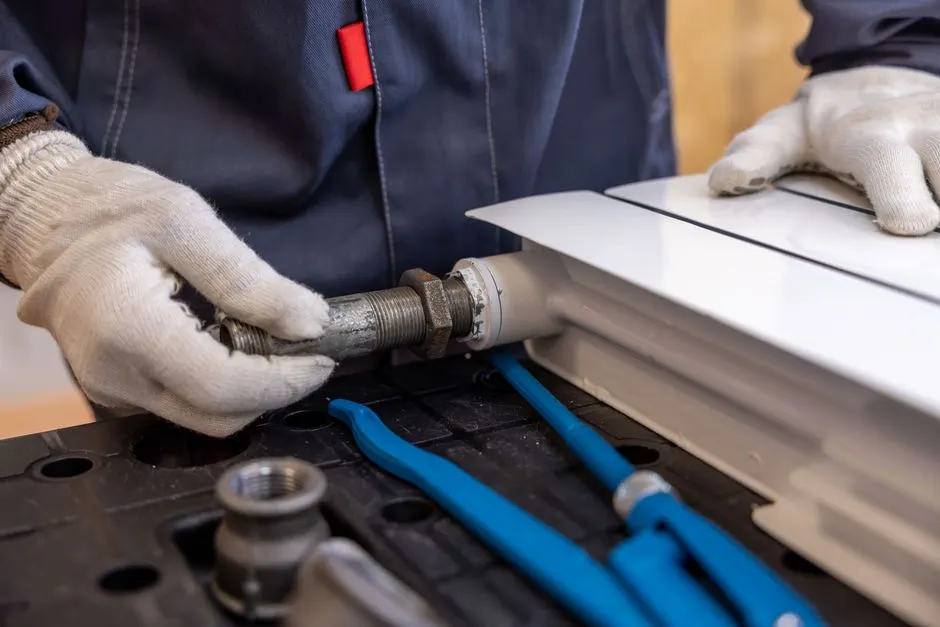
Close-up of a plumber installing a radiator pipe using specialized tools.
Licensed Licensed & Bonded
Fully Insured Insured & Bonded
24/7 Emergency Same-Day Response
Warranty Backed Workmanship Guaranteed

What Copper Pipe Repair Includes

A standard repair covers leak diagnosis, isolation of the affected line, removal or correction of damaged copper, installation of compatible fittings, and a post-repair leak and flow check. We explain the work and price before proceeding. Extensive drywall, cabinet, flooring, or concrete restoration is separate from the plumbing repair, and we identify that distinction before opening an area.

Leak Location

We inspect visible pipe and use appropriate detection equipment to narrow concealed leaks. The goal is to identify the actual failure point, not simply the wettest surface. We also look at adjacent joints and fittings to see whether the defect is isolated or part of a wider corrosion pattern.
Damaged Pipe Removal

We shut off and drain the affected section, then cut away compromised copper with a pipe cutter. Clean, sound pipe ends are prepared for the selected repair. If nearby pipe is also deteriorated, we explain why extending the replacement is more dependable than installing a fitting beside weak material.

Compatible Fittings

We install a suitable copper fitting or approved transition based on pipe size, location, and water use. Potable-water components are selected with lead-content and drinking-water requirements in mind. The connection method is matched to the installation, not chosen solely for speed.

Pressure and Flow Check

After installation, we restore water and inspect the repair for seepage. We check affected fixture flow and use a pressure test pump where the repair conditions call for pressure verification. You see that the line is back in service before we leave the plumbing work area.

Copper Pipe Repair in North Carolina


Copper Pipe Repair in North Carolina is a plumbing service that locates and fixes damaged copper water lines to restore safe, dependable water flow. We inspect the visible pipe and nearby surfaces, isolate the affected branch, then remove a failed section or seal a small leak with a code-appropriate fitting. The repair is pressure-tested before we close an access point. When corrosion extends beyond one joint, we explain whether a targeted replacement or a longer repipe is the sounder fix.

Homes across North Carolina face different leak conditions: cold snaps can freeze exposed lines in mountain areas, while humid coastal air and older fittings can complicate corrosion checks. A water stain, unexplained water pressure loss, or a damp cabinet deserves prompt diagnosis. For a repair corroded copper plumbing in a North Carolina home, we trace the affected run, check adjacent connections, and recommend the smallest durable repair rather than covering a symptom.

What to Expect During Repair

Copper Pipe Repair in North Carolina follows a clear sequence: control the water, locate the defect, make the repair, and confirm the line is sound. We keep you informed about access and the next step, whether the pipe is exposed in a utility room or concealed behind a finished surface.

01

Schedule

Call or book online — a real human picks up and confirms a 2-hour arrival window.

02

Diagnose

Licensed tech inspects on-site, then walks you through the cause and your options.

03

Fix

The job is completed to code and done right the first time — no shortcuts, no surprises.

04

Guarantee

Every job backed by a written workmanship warranty — and we stand behind it.

Tools and Repair Methods

Tools & Equipment

Electronic acoustic leak detector

We listen for leak noise carried through pipe and building materials to narrow hidden supply leaks. It is most useful when a line is concealed and visible moisture does not show the exact failure point.

Infrared thermal imaging camera

We scan for temperature patterns that can indicate water movement or a leak behind a finished surface. The image guides further inspection; we confirm the plumbing cause before cutting.

Moisture meter

We compare moisture levels around a stain, cabinet, or wall to map the affected area and check whether dampness remains after repair. This helps separate a localized plumbing leak from a broader wet area.

RIDGID pipe cutter

We use a pipe cutter to remove damaged copper cleanly and prepare square pipe ends for a new fitting. Clean cuts help the replacement connection seat correctly and support a reliable seal.

Press fitting tool

Where the fitting and installation allow, a press fitting tool makes a consistent mechanical connection without an open flame. We select the method based on access, manufacturer requirements, and applicable plumbing code.

Methods & Standards

Isolate, drain, and replace

We shut off the affected branch, drain residual water, remove the compromised copper, and prepare sound pipe ends. A compatible fitting is installed using an approved connection method. We then restore water slowly and inspect the new joint before the line returns to regular use.

Targeted leak detection

For concealed leaks, we combine visual checks with acoustic, thermal, and moisture readings to narrow the likely location. We confirm the source before opening a wall or ceiling. That sequence reduces unnecessary access and gives us a better view of nearby pipe condition.

Pressure and fixture testing

After the repair, we check the connection under restored service and verify flow at affected fixtures. A pressure test pump is used when the repair and system conditions call for a controlled pressure test. We inspect for seepage before considering the plumbing repair complete.

Code-conscious material selection

We choose fittings and materials suitable for potable water, pipe size, and installation location. The work follows applicable North Carolina plumbing code provisions, with attention to International Plumbing Code requirements and NSF/ANSI 61 drinking water system components where relevant.

When Copper Repair Is Needed

01

You find a growing stain below a bathroom or kitchen with copper supply lines in the wall.

What we do: We trace the stain to its source before opening the finished surface. Once the copper leak is confirmed, we shut off the branch, replace the damaged section or fitting, and test nearby fixtures. We also check whether the moisture has spread beyond the immediate pipe area.

→ The active leak is stopped, and you know which pipe failed. A focused access opening limits disruption while giving the repair room for proper testing.

02

A copper pipe in a crawl space drips after a freezing night in Boone or Hendersonville.

What we do: We isolate the line, thaw it safely, and inspect for a split that may not show until ice melts. Any cracked section is replaced, then we restore water gradually and check the repair under normal flow. We also identify exposed pipe that needs insulation.

→ Your water service returns without leaving a hidden split untreated. The inspection helps reduce the chance of another leak during the next cold snap.

03

Your water meter moves while fixtures are off, but you cannot see a leak.

What we do: We check shutoffs and visible plumbing, then use acoustic or thermal detection to trace concealed copper. After locating the defect, we isolate the affected run and explain the repair access needed. We test the line once repaired and verify that the meter no longer indicates active flow.

→ You get a confirmed leak location instead of guessing at walls or fixtures. The repaired pipe is checked before the area is closed.

04

A visible copper fitting corrodes or seeps in a utility room or beneath a sink.

What we do: We inspect the fitting, pipe ends, and nearby joints to determine whether the failure is limited to one connection. We remove the failed fitting, prepare sound pipe, and install a compatible replacement. Afterward, we restore water and watch the connection for seepage.

→ The joint is returned to service with the surrounding pipe condition checked. You avoid treating a corroded connection as a simple surface drip.

Copper Repair Across North Carolina

Copper plumbing behaves differently across North Carolina because homes face varied temperatures, humidity, and construction styles. In the mountains, exposed crawl-space lines can freeze during winter cold snaps; near the coast, persistent humidity makes it important to distinguish pipe leaks from surface moisture. Older homes may have copper runs routed through plaster, tight cabinets, or shallow crawl spaces, while newer builds often combine copper with PEX tubing. For copper water line leak repair in North Carolina, we identify the pipe material and route before choosing an access point or fitting. Our team follows the North Carolina plumbing code and checks potable-water components against relevant standards. If a leak is concealed, we use detection tools to narrow the opening; if it is exposed, we can inspect a longer section for corrosion. We serve communities from Wilmington and Boiling Spring Lakes to Boone and Newton, adapting the work to the house rather than assuming every line is alike. A cold-weather split needs a thaw and full inspection; a coastal pinhole needs a careful corrosion check.

Neighborhoods We Serve

  • Wilmington coastal homes

    Humid air and tight utility areas can make surface condensation look like a pipe leak. We check the copper and nearby surfaces before opening walls or replacing fittings.

  • Boone mountain properties

    Crawl spaces and exterior-wall plumbing face stronger freeze exposure. We inspect for splits beyond the visible drip and check insulation around vulnerable copper runs.

  • Chapel Hill established homes

    Remodels can leave copper lines routed behind finished walls or cabinetry. We trace the supply path and plan focused access around the confirmed leak location.

  • Clayton growing subdivisions

    Homes with mixed plumbing materials need compatible transitions when copper connects to newer pipe. We identify the material at each connection before selecting a fitting.

Local Conditions We Plan For

  • Winter freezes threaten exposed copper in mountain crawl spaces

    A frozen line can split while water is trapped, then leak as it thaws. We inspect the full affected area after controlled thawing because the first visible opening may not be the only crack.

  • Coastal humidity complicates leak and condensation diagnosis

    Cool pipes and humid air can leave surface moisture that resembles a leak. We check pipe joints, moisture patterns, and water movement before choosing a repair, avoiding unnecessary pipe replacement.

  • Older construction can conceal copper behind finished surfaces

    Limited access changes the time and repair plan. Detection tools help narrow the opening, while inspection of adjacent pipe helps determine whether a localized repair will hold or a longer section needs replacement.

Kitchen Cabinet Pinhole Leak

Before

A homeowner found a damp cabinet base and a slow drip but could not see the copper line behind stored supplies. The moisture had spread about 18 inches across the cabinet floor. Water pressure at the kitchen faucet had also become inconsistent, suggesting the leak was affecting the supply branch.

After

We isolated the branch, traced the leak to a pinhole, and replaced a 10-inch section of copper. After restoring water, we checked the fitting and ran the faucet for several minutes. Flow returned to normal, and the cabinet surface showed no fresh moisture during the final check.

Maintenance: Keep the cabinet base clear enough to spot new moisture, and check the shutoff valve twice a year. If staining returns or pressure drops again, arrange an inspection before the damp area spreads.

Before

After a winter freeze, a crawl-space copper line began leaking as temperatures rose. The drip reached insulation and left a wet patch roughly 3 feet across. The homeowner shut off the branch, but no one knew whether the visible split was the only damage.

After

We thawed the affected line with controlled equipment, inspected the exposed run, and replaced a 14-inch split section. The repaired branch held during a 15-minute flow and leak check. We also identified two exposed areas where insulation would help reduce future freeze risk.

Maintenance: Before cold weather, check crawl-space insulation for gaps and secure loose sections around water lines. Know the location of the main shutoff so you can stop flow quickly if another split occurs.

Before

A ceiling stain below an upstairs bathroom grew from a small mark to nearly 2 feet wide over several days. The visible fixtures worked, so the leak appeared to be intermittent. Moisture readings showed the wettest area near a concealed copper supply route.

After

We traced the line, opened a focused access area, and replaced the failed copper fitting. The bathroom fixtures were tested at normal use, and the repaired connection remained dry through repeated checks. Water pressure returned to its previous level after the branch was restored.

Maintenance: Check the ceiling and nearby trim over the next week for new staining, and avoid covering the access area until the repair has remained dry. A persistent mark after plumbing work may need separate surface drying or restoration.

Solve Copper Leaks Before They Spread

Small leaks can damage framing and finishes long before they become visible from the room. We track the source, repair the pipe, and check the surrounding section so you know whether the problem was isolated. Early attention is especially useful for recurring moisture, staining, or a water meter that moves with fixtures off.

Problem

A pinhole drip keeps returning at a copper pipe joint

Repeated patching can hide broader corrosion, while slow moisture damages cabinet bases, drywall, and nearby framing.

Our Fix

We inspect the joint and adjacent copper, identify whether the leak comes from a failed connection or weakened pipe, then replace the affected material. After restoring water, we check the repair and nearby surfaces for fresh moisture. If the surrounding pipe shows multiple weak points, we explain a longer replacement option.

Problem

Water pressure drops while a hidden line leaks

A concealed supply leak wastes water and can soak insulation or a wall cavity without leaving an obvious puddle.

Our Fix

We compare fixture flow, inspect accessible plumbing, and trace the line with detection equipment. Once we locate the leak, we isolate the branch and make a focused repair. We then confirm the affected fixture's flow and inspect the access area for signs of continued moisture.

Problem

A frozen copper line splits during a cold snap

As trapped ice thaws, water can escape quickly and spread across a crawl space, ceiling, or finished floor.

Our Fix

We control the supply, thaw the line with suitable equipment, and inspect the full affected section for cracks. Damaged copper is removed and replaced before the line is returned to service. We test the repair and point out exposed areas that need insulation to reduce repeat freezing risk.

Problem

A slab leak leaves flooring damp or unusually warm

Ongoing water below a slab can affect flooring and increase water use, while delay makes the leak harder to isolate.

Our Fix

We assess meter movement, moisture patterns, and pipe routing to identify the affected line. After locating the leak, we discuss a localized access repair or a reroute where it better suits the home's layout. We test the repaired supply and confirm that the leak indicators have stopped.

Repairs That Protect Your Home

Repairs That Protect Your Home

A sound copper repair should do more than stop a drip. We identify why the line failed, correct the damaged section, and verify that the repair holds under normal operating pressure. That helps you avoid repeat leaks and unnecessary wall or floor disruption.

  • Stop Water Damage Early

    A pinhole can release water behind a cabinet or ceiling long before a puddle appears. We use moisture readings and visual inspection to narrow the wet area, then isolate the line and repair the failure. Acting on a small stain can prevent damaged drywall, swollen trim, and a larger cleanup.

  • Restore Steady Pressure

    A restricted or leaking copper line can leave a fixture weak or cause pressure to fluctuate when another tap opens. We check the affected branch and nearby fittings, repair the fault, and test flow at the fixture. You get a clear answer about whether the pressure loss came from the leak or another plumbing issue.

  • Repair Without Guesswork

    Our electronic acoustic leak detector and infrared thermal imaging camera help locate hidden water without opening several walls at random. We confirm the likely path with a moisture meter or access inspection before cutting. That focused approach keeps the repair area smaller and gives you a practical explanation of what failed.

  • Choose the Right Material

    Not every damaged copper section needs the same fitting or replacement material. We assess pipe condition, location, and access before choosing copper fittings or a compatible transition to PEX tubing. Your repair is pressure-tested, and the selected components meet applicable drinking-water and plumbing requirements.

Credentials and Repair Standards

Licensed & Certified

  • North Carolina plumbing contractor license — issued by North Carolina State Board of Examiners of Plumbing, Heating and Fire Sprinkler Contractors
  • NSF/ANSI 61 drinking water system components — issued by NSF
  • NSF/ANSI 372 lead content requirements — issued by NSF
  • International Plumbing Code — issued by International Code Council

Verified Reviews

Customer feedback Not stated

A homeowner in Wilmington reported that our technician found a concealed copper leak behind a kitchen cabinet, replaced the damaged section, and checked the line before leaving. The repair stopped the drip without removing the full cabinet run.

Customer feedback Not stated

A Chapel Hill customer described a ceiling stain from an upstairs copper fitting. We traced the pipe, made a focused repair, and tested the bathroom fixtures. The customer appreciated getting a clear explanation of the failure and the work completed.

Customer feedback Not stated

A Boone homeowner called after a cold snap caused a crawl-space leak. We thawed and inspected the line, replaced the split copper, and checked the repair under flow. The customer noted that the water service was restored and the exposed pipe was reviewed for freeze protection.

Copper Plumbing Know-How

Our local experience covers copper supply lines in older homes, remodels, crawl spaces, utility rooms, and finished interiors across North Carolina. We use repair methods suited to pipe size, water service, access, and the condition of nearby material, then test the completed work. Our technicians follow the North Carolina plumbing code and relevant International Plumbing Code provisions. We select drinking-water components with attention to NSF/ANSI 61 and NSF/ANSI 372 requirements, and explain when a single repair is appropriate versus replacing a deteriorated run.

  • We distinguish a single pinhole leak in copper pipe from widespread wall thinning by checking nearby pipe and fittings.
  • Our team uses a pipe locator and inspection equipment to reduce unnecessary openings around concealed lines.
  • We select lead-free solder and compatible fittings for potable-water repairs where soldered connections are appropriate.
  • We check shutoff function and fixture flow after the repair, not just the visible joint.
  • We account for local plumbing-code requirements and the pipe's use before choosing repair materials.
Get Started Today
Copper Plumbing Know-How

Cities We Serve Across North Carolina

We provide copper plumbing pipe repair service across North Carolina, from coastal homes exposed to persistent humidity to mountain properties that face hard winter freezes. Our team adapts leak detection, access, and repair materials to each home's construction and pipe route. The cities below represent a portion of our statewide coverage; nearby communities are served as well. Tell us where you see moisture, whether the line is still active, and which fixtures have lost pressure.

Wilmington

In Wilmington, we distinguish condensation from active leaks in humid conditions, then repair copper lines in cabinets, crawl spaces, and finished walls.

Chapel Hill

For Chapel Hill homes with remodeled interiors, we trace concealed copper routes and plan a focused opening before replacing a leaking section or fitting.

Salisbury

We check visible copper and nearby joints in Salisbury homes, then pressure-test the repaired supply to confirm steady fixture flow and a dry connection.

Clayton

Clayton homes may combine copper with newer plumbing materials. We identify each pipe and use a compatible fitting at the repair or transition.

Boone

In Boone, winter freeze exposure makes a full inspection important. We thaw affected lines safely and check for additional splits before restoring service.

Graham

Our Graham repairs address drips, corroded joints, and hidden supply leaks, with access planned around the home's pipe location and finished surfaces.

Hendersonville

For Hendersonville properties, we inspect exposed and crawl-space copper after cold weather, replace damaged pipe, and verify the line under flow.

Newton

In Newton, we locate the leak before cutting and check adjacent copper for signs of corrosion so one repair does not overlook another weak spot.

Summerfield

Summerfield homeowners can call us for visible or concealed copper leaks. We isolate the affected branch and confirm fixture pressure after repair.

Hillsborough

Older and remodeled homes in Hillsborough can have complex pipe routes. We use detection and careful inspection to limit unnecessary wall openings.

Zebulon

We handle copper supply leaks in Zebulon homes, from a leaking fitting under a sink to a hidden line affecting a ceiling or wall.

Siler City

In Siler City, we assess the pipe condition and access first, then choose a repair that addresses the failed copper rather than masking moisture.

Forest City

Forest City service includes inspection of accessible copper runs, targeted section replacement, and a post-repair flow check at affected fixtures.

Boiling Spring Lakes

We repair copper leaks in Boiling Spring Lakes homes by locating the source, checking nearby fittings, and testing the water line after work.

Westport

For Westport homeowners, we trace active or hidden copper leaks, explain the access needed, and restore the affected branch after testing.

Copper Pipe Repair Questions

Real answers to the questions we hear most often from local homeowners and property managers.

Can a leaking copper pipe be repaired without replacement?
Yes, a localized copper leak can often be repaired without replacing the full run. We cut out the damaged section or replace a failed fitting, then pressure-test the line. If nearby copper is thin, pitted, or repeatedly leaking, replacing a longer section is more dependable than patching one spot. The pipe's condition, accessibility, and leak history determine the right repair.
How much does copper pipe repair cost in North Carolina?
In 2026, a straightforward accessible copper repair often costs $180 to $450, while concealed or extensive work can reach $1,500 or more. The price depends on leak location, access, pipe length, fitting type, and restoration needs. We locate the defect and provide upfront pricing before work proceeds. Emergency response, slab access, and multiple corroded sections increase labor and material costs.
What causes pinhole leaks in copper plumbing?
Pinhole leaks usually develop when corrosion gradually thins the copper wall until water escapes through a tiny opening. Water chemistry, installation conditions, pipe movement, and contact with incompatible materials can contribute. We inspect nearby pipe for similar damage rather than treating one hole in isolation. If multiple weak spots appear, replacing an affected run can prevent another leak soon after the first repair.
When should I replace copper pipes instead of repairing them?
Replace a section when corrosion, repeated pinholes, or damaged joints affect multiple points along the same run. A single isolated failure in otherwise sound copper is often repairable. We assess the pipe surface, check adjacent fittings, and consider access and leak history before recommending the next step. Widespread deterioration calls for a planned replacement; one clean failure does not automatically mean a whole-home repipe.

Related Plumbing Services

Emergency Burst Pipe Repair

A split copper line can release water quickly and soak flooring or wall cavities. We isolate the supply, remove the failed section, and restore service after testing. This is the right connection when your copper leak has become an active flooding problem that needs immediate control.

View Emergency Burst Pipe Repair

24/7 Emergency Plumbing

A leak at night or during a holiday cannot always wait for a routine appointment. Our emergency plumbing response addresses active copper leaks, failed shutoffs, and sudden pressure loss. We first stop the water, then determine whether a safe repair can be completed during the visit.

View 24/7 Emergency Plumbing

Burst Water Line Repair

When a copper water line splits or ruptures, the priority is to isolate the break and prevent further water damage. We locate the failure, replace damaged pipe and fittings, and test the repaired line. This service covers larger breaks beyond a slow drip or isolated pinhole.

View Burst Water Line Repair

Frozen Pipe Thawing and Repair

Cold snaps can freeze exposed copper in crawl spaces, garages, and exterior walls. We thaw the line with controlled pipe thawing equipment, inspect for splits, and repair any damage before restoring water. A thawed pipe still needs a leak check because cracks often appear as ice melts.

View Frozen Pipe Thawing and Repair

Water Pipe Leak Detection and Repair

A stain or unexplained meter movement can point to a hidden copper leak. We trace the line with acoustic and thermal tools, confirm the affected area, and make the needed repair. Finding the source first helps limit openings and prevents a surface symptom from being mistaken for the cause.

View Water Pipe Leak Detection and Repair

Slab Leak Detection and Repair

A leaking copper line beneath a concrete slab can cause warm floor patches, damp flooring, or persistent meter movement. We locate the line and assess repair access before recommending a route. Options may include a localized slab opening or rerouting the affected section, based on the layout and pipe condition.

View Slab Leak Detection and Repair

Stop the Copper Leak Today

Our licensed plumbing contractor team locates the failure, makes the repair, and tests the line before leaving. Call now to arrange service for a leaking copper pipe anywhere in North Carolina.

Call Today Call for Repair

Contact Our Plumbing Team

If a pipe has burst, call North Carolina Burst Pipe Pros at +12525387381 for help locating the shutoff and arranging repair. Emergency service is available 24/7, and our team serves homes and businesses across the state. Tell us where water is showing, whether the supply is still running, and what type of pipe you can see; that helps us prepare for the call.

Or call us right now at +12525387381 — we answer.

North Carolina Burst Pipe Pros


  • Phone

    +12525387381
  • Address

    North Carolina

  • Hours

    Mon–Fri: 7AM – 7PM
    Sat: 8AM – 4PM
    Sun: Emergency Only
    24/7 Emergency Available

Call +12525387381 Get Quote
Call Quote